
Choosing between a wooden matcha whisk (brisker) and a plastic one might seem like a simple decision at first glance, but delve deeper and you’ll discover that this choice significantly influences your matcha experience-from flavor nuances to emotional satisfaction and daily ritual. This comprehensive guide unpacks every angle to help you make an informed, heartfelt selection that perfectly complements your lifestyle and passion for matcha.
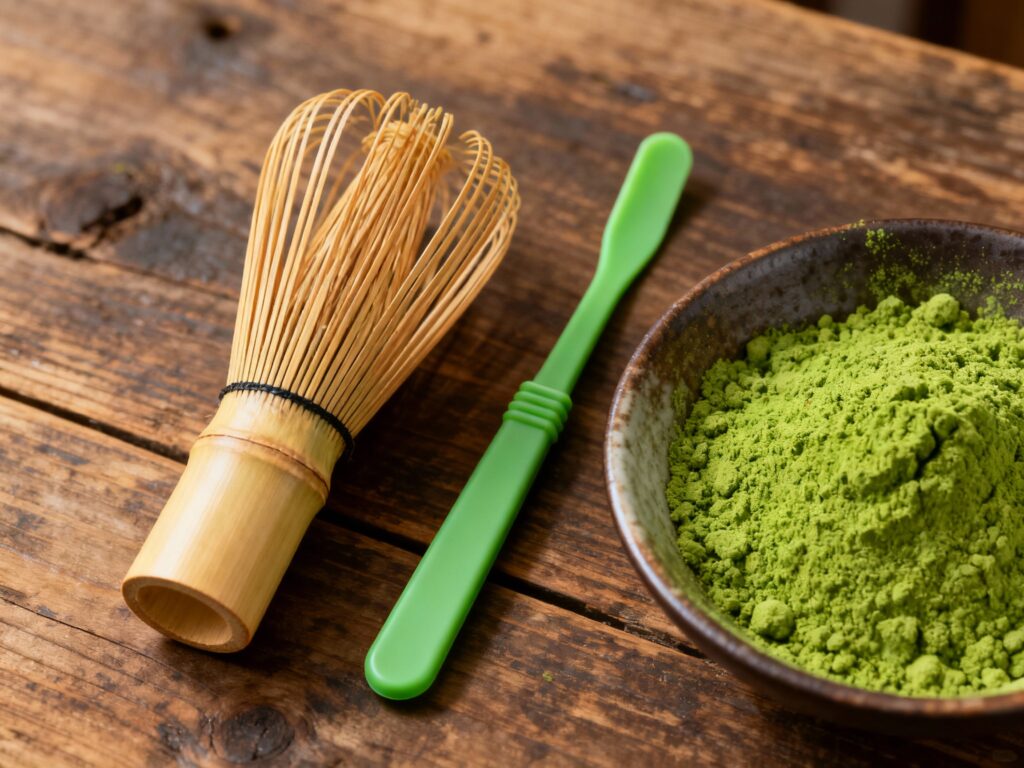
The Art and Soul of the Wooden Matcha Whisk
Historical Significance and Craftsmanship
A wooden matcha whisk, traditionally carved from a single piece of bamboo, carries immense cultural weight. Rooted deeply in Japanese tea ceremonies, the “chasen” is more than a tool; it is a masterpiece of meticulous craftsmanship. Each whisk is handcrafted by skilled artisans to create precise, delicate tines-typically between 80 to 120 thin prongs-that are essential for aerating and emulsifying matcha powder into a smooth, frothy cup. Owning and using a bamboo whisk is an embrace of tradition, mindfulness, and the slow beauty of ritual.
Sensory and Emotional Connection
Engaging with a wooden brisker stimulates all senses. The natural bamboo offers a subtle aroma and slightly warm texture that feels alive in your hand, fostering a meditative connection between maker and matcha. As you whisk, the gentle flex of the fine tines smoothly blends powder and water, creating a lush, even foam layer celebrated for its rich mouthfeel and vibrant taste profile. This sensory feedback delivers an emotional uplift, a peaceful pause in the busyness of life-a moment to honor craftsmanship and self-care.
Flavor Enhancement and Quality of Froth
Matcha whisked with bamboo generally produces a denser, creamier froth that accentuates the powder’s natural sweetness and umami. The carefully spaced tines aerate the tea evenly, preventing clumps and bitterness that can plague inferior whisking methods. This results in a harmonious cup where flavors unfold delicately, inviting contemplation and savoring.
Maintenance and Longevity
However, this artisanal beauty requires tending. Bamboo whisks are fragile and sensitive: they must be rinsed after each use with lukewarm water, dried naturally upright to retain their shape, and kept away from harsh detergents. Mold is a real concern if stored damp, and the thin tines are prone to breaking with rough handling or excessive force. Proper care typically allows for use up to 3–6 months, after which replacement is recommended to preserve the experience’s integrity.
The Practical Power of Plastic Matcha Whisks
Durable, Hygienic, and Easy-to-Clean
Plastic or resin matcha whisks are engineered for modern convenience. Often inspired by traditional shapes, these whisks utilize synthetic fibers or molded plastic tines designed to withstand heavy daily use without warping or breaking. They do not absorb moisture, which virtually eliminates mold risk and enable easy cleaning with soap or even dishwashers.
Efficiency without Fragility
For those with fast-paced routines or newcomers seeking fuss-free prep, plastic whisks offer quick, no-fail frothing with minimal maintenance. Their resilience means they hold up well under vigorous whisking, and they are generally more affordable over the long term since they last for years without deterioration.
Trade-Offs in Flavor and Texture
Though efficient, plastic whisks tend to create a coarser froth with larger bubbles, which alters mouthfeel and can dilute the delicate flavor nuances of premium matcha powder. The tactile experience is also less engaging, as plastic lacks the warmth and natural feel of bamboo, possibly diminishing the ritual’s emotional dimension.
Comparative Analysis: Which Whisk Fits Your Lifestyle?
| Aspect | Wooden Bamboo Whisk | Plastic/Resin Whisk |
|---|---|---|
| Tradition & Aesthetics | Timeless, handcrafted, authentic | Modern, functional, practical |
| Foam Quality | Silky, dense, fine bubbles enhancing flavor | Coarser bubbles, adequate but less refined |
| Durability | Fragile, 3–6 months with care | Highly durable, lasting years |
| Maintenance | High: delicate washing, air drying mandatory | Minimal: easy cleaning, dishwasher safe |
| Emotional Connection | Deeply mindful, sensory-rich, serene | Practical, efficient, straightforward |
| Price | Moderate to high (replacement needed often) | Affordable, cost-effective in the long run |
How to Choose the Ideal Matcha Whisk: Key Considerations
- Value Tradition and Ritual? Opt for bamboo. Its tactile connection, aroma, and creamy froth elevate matcha preparation to a sacred daily ceremony.
- Prioritize Convenience and Longevity? Plastic fits busy lifestyles or anyone new to matcha who prefers low upkeep.
- Care Capacity? Bamboo demands nurturing attention. If you love detailed care routines, bamboo is rewarding; if you want no-hassle use, plastic shines.
- Flavor Focus? Bamboo unlocks matcha’s optimal flavor and texture. Plastic delivers a good cup but with subtle compromises.
Elevate Your Matcha Journey
Ultimately, your whisk choice should feel like an extension of your matcha practice, an ambassador of either tradition or practicality. Whether you long for the ceremonial grace of bamboo or the robust reliability of plastic, each whisk promises a different yet rewarding path to the perfect cup.
For regular, expert insights into specialized coffee and tea rituals, brewing techniques, and lifestyle inspiration, don’t miss out-follow my ongoing expert blogs at The Coffee Shifu Blog. Here, tradition meets modern passion, helping you refine every sip.