
Instant coffee has revolutionized how millions of coffee lovers enjoy their daily brew. Whether you’re rushing to work, traveling, or simply prefer the convenience factor, instant coffee delivers caffeine and comfort in seconds. But not all instant coffee is created equal. Understanding the different types of instant coffee can help you choose the perfect cup for your lifestyle and taste preferences.
What Is Instant Coffee?
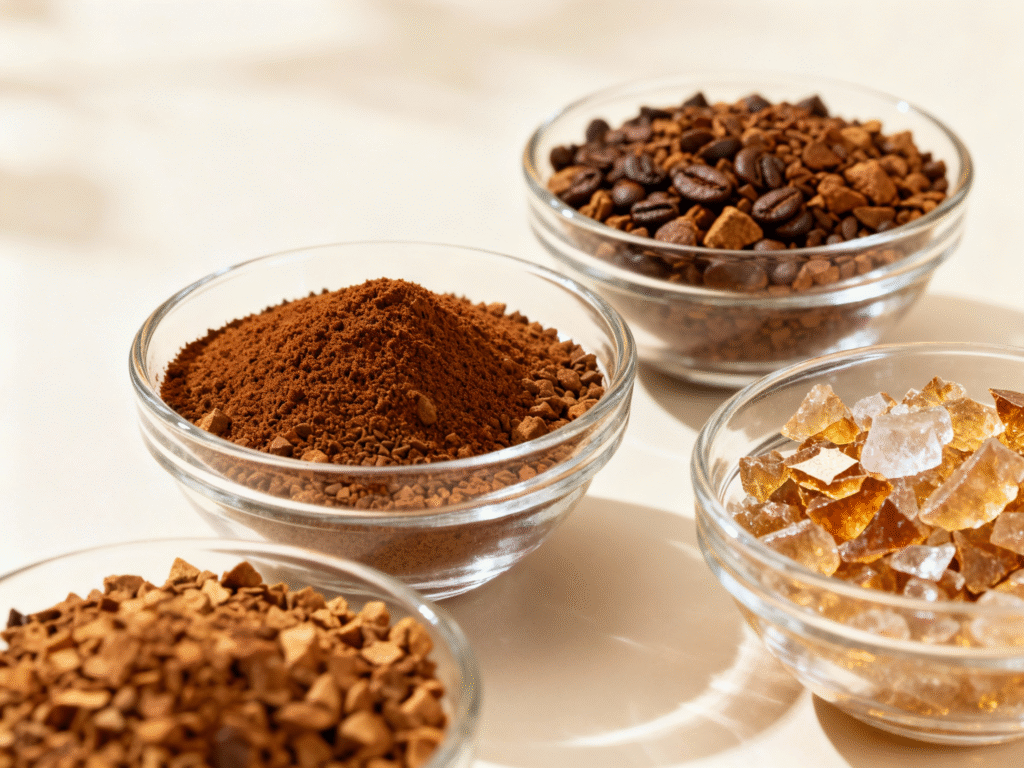
Instant coffee is pre-brewed coffee that has been dehydrated into powder or granules. Unlike ground coffee, which requires brewing equipment and time, instant coffee dissolves directly in hot water, making it the ultimate convenience beverage. The coffee is first brewed as regular liquid coffee, then processed to remove all moisture, leaving behind concentrated coffee solids that retain much of the original flavor and aroma.
The Two Main Types: Freeze-Dried vs. Spray-Dried
The production method determines the quality, flavor profile, and price of instant coffee. There are two primary ways to process instant coffee, and each has distinct advantages.
Freeze-Dried Instant Coffee
Freeze-dried coffee is the premium option in the instant coffee world. This method involves flash-freezing the brewed coffee concentrate at sub-zero temperatures, then placing it in a vacuum chamber to remove moisture. The result is larger, chunkier crystals with a crystalline texture that retains maximum flavor and aroma.
Benefits of Freeze-Dried Coffee:
Freeze-dried instant coffee preserves more essential coffee oils and complex flavor compounds. This means your cup tastes closer to freshly brewed coffee compared to spray-dried alternatives. The flavor is richer, fuller-bodied, and more nuanced, with better retention of the coffee’s natural characteristics. Additionally, freeze-dried coffee has a longer shelf life because the freeze-drying process preserves natural nutrients and leaves the coffee less vulnerable to mold growth. You can store it for extended periods without preservatives.
Drawbacks of Freeze-Dried Coffee:
The main downside is cost. Freeze-drying is a slower, more complex process that requires significant energy investment. This translates to higher prices for consumers. Additionally, because the granules are chunkier, freeze-dried coffee takes slightly longer to dissolve compared to spray-dried varieties.
Spray-Dried Instant Coffee
Spray-dried coffee is the most affordable and fastest-produced instant coffee option. This method converts the liquid coffee solution into tiny droplets using an atomizer, then dries them in extremely hot air (approximately 80-180°C). The result is fine, powdery granules that dissolve almost instantly.
Benefits of Spray-Dried Coffee:
Spray-dried instant coffee is budget-friendly and convenient. The fine, powdery texture dissolves rapidly in water with minimal stirring, making it ideal for those who prioritize speed. It’s also widely available in most grocery stores and comes in countless flavor options. This method was historically preferred by manufacturers because it’s faster and more cost-effective than freeze-drying.
Drawbacks of Spray-Dried Coffee:
The high heat involved in spray-drying can lead to flavor loss. Delicate coffee aromas and some taste nuances diminish during the process, resulting in a less complex flavor profile. Spray-dried instant coffee often comes from lower-grade beans and requires preservatives (like nitrogen atmospheres in packaging) to maintain basic quality levels. Additionally, spray-dried coffee has a shorter shelf life compared to freeze-dried varieties.
Other Types of Instant Coffee
Beyond the primary freeze-dried and spray-dried categories, instant coffee comes in several specialized varieties.
Soluble Instant Coffee
Soluble instant coffee is the most common type you’ll find on grocery store shelves. It’s made by brewing ground beans and then using either freeze-drying or spray-drying to create the powder. Soluble coffee comes in various strength levels, from mild to bold, allowing you to choose based on your preference for intensity.
Flavored Instant Coffee
Flavored instant coffee adds exciting variety to your daily routine. Popular flavor options include vanilla, caramel, hazelnut, chocolate, cinnamon, cardamom, and Irish cream. These flavors are added to either spray-dried or freeze-dried coffee bases, giving you flexibility in both preparation method and taste profile. Flavored instant coffee is perfect for those who enjoy experimenting with different taste experiences without sacrificing convenience.
Instant Unroasted (Green) Coffee
Instant green coffee is made from unroasted coffee beans that are dried and ground without roasting. This creates a beverage with a milder flavor and exquisite aroma compared to traditional roasted instant coffee. Green coffee is known for its unique health properties and appeals to those interested in exploring unconventional coffee varieties. It’s available in various flavors as well, offering the same versatility as traditional instant coffee.
Instant Coffee by Bean Type
The coffee bean variety used in instant coffee production significantly impacts the final taste.
Arabica Instant Coffee: Made from Coffea Arabica beans, this is higher quality and more expensive. Arabica provides a finer, more nuanced taste with lower caffeine content compared to robusta. If you prefer smoother, more refined flavors, arabica-based instant coffee is your best choice.
Robusta Instant Coffee: Made from Coffea Robusta beans, this variety has significantly more caffeine and a stronger, sometimes burnt flavor. Robusta is cheaper to produce and easier to grow, making robusta-based instant coffee more affordable. However, the taste can be harsher and more bitter for those unaccustomed to it.
Blended Instant Coffee: Many brands combine both arabica and robusta beans to balance cost and flavor. These blends offer a middle ground, providing better taste than pure robusta while remaining more affordable than 100% arabica options.
Popular Instant Coffee Brands
The instant coffee market offers numerous options catering to different tastes and budgets.
| Brand | Origin | Specialty | Best For |
|---|---|---|---|
| Nescafé | Global (Headquarters: Gurgaon, India) | Classic blends, flavored varieties, ready-to-drink options | All-purpose, convenient, widely available |
| Bru | India (Owned by Hindustan Unilever) | South Indian filter coffee taste, cold coffees, cappuccino mixes | Traditional coffee lovers, budget-conscious consumers |
| Davidoff Café | Switzerland (Headquarters: Mumbai, India) | Premium 100% Arabica beans, sustainable farming | Coffee connoisseurs, premium taste seekers |
| Leo Coffee | South India (Established 1910) | Rich, strong flavor, beans from local farmers | South Indian preferences, sustainable sourcing |
| Nescafé Sunrise | India (Nescafé sub-brand) | Sunrise Insta-filter blend, mixed instant and filter coffee | Traditional Indian coffee lovers |
| Blue Tokai | India (Established 2012) | Specialty roasted beans, sustainable farming, fair trade | Coffee enthusiasts, ethical consumers |
| Levista | South India (Established 2005) | Multiple ranges (Classic, Premium, Signature), unique flavors | Flavor variety seekers, Southern India market |
| TGL Culinary Coffee | India (Established 2015) | High-quality Arabica, unique flavors (cinnamon, cardamom, vanilla) | Premium seekers, spice-inspired flavors |
Caffeine Content in Instant Coffee
One of the most common questions about instant coffee is its caffeine content. Understanding caffeine levels helps you control your daily intake and choose the right type for your needs.
The average instant coffee delivers between 30-100 mg of caffeine per serving, though Vietnamese robusta varieties can contain closer to 150 mg per cup. This is significantly less than brewed coffee, which contains 70-140 mg per cup. The reason for this difference is that the dehydration process involved in making instant coffee causes some caffeine loss, regardless of whether freeze-dried or spray-dried methods are used.
You can control the caffeine content by adjusting the amount of instant coffee powder you use. If you’re sensitive to caffeine, instant coffee becomes an excellent option because you can easily reduce the amount while still enjoying the coffee experience. Additionally, decaffeinated instant coffee is available if you want to eliminate caffeine almost entirely.
Health Benefits of Instant Coffee
Instant coffee isn’t just convenient—it’s also packed with health benefits. Research shows that instant coffee contains many of the same bioactive compounds as regular brewed coffee.
Cognitive Enhancement: Caffeine in instant coffee enhances focus, concentration, and mental alertness. It increases dopamine production, helping you feel more energized and mentally sharp throughout the day.
Antioxidant Power: Instant coffee is an excellent source of antioxidants that fight oxidative stress and inflammation. Research suggests that instant coffee may even contain higher amounts of certain antioxidants than other brewing methods due to the way it is processed.
Metabolism Boost: The caffeine in instant coffee increases metabolism and helps your body burn more calories, supporting weight management efforts. Studies link caffeine consumption to improved physical performance and enhanced endurance.
Disease Prevention: Regular instant coffee consumption has been linked to a reduced risk of neurodegenerative diseases like Parkinson’s and Alzheimer’s. It may also help with diabetes management and reduce the risk of metabolic syndrome thanks to chlorogenic acid found in coffee beans.
Mood Enhancement: Instant coffee increases serotonin production, helping elevate moods and provide feelings of well-being throughout the day. It’s also associated with a reduced risk of depression.
How to Brew the Perfect Cup of Instant Coffee
While instant coffee is renowned for its simplicity, following these tips ensures you get the best possible taste and texture.
Water Quality and Temperature: Use freshly drawn water whenever possible, as it contains more oxygen than re-boiled water. Heat the water to 90-95°C (194-203°F)-just off the boil. This temperature range is optimal for dissolving granules without scorching them, which can cause bitterness.
Proper Ratios: The recommended ratio is 2g (approximately one heaped teaspoon) of instant coffee powder for every 200ml of hot water. However, you can adjust this based on your personal preference for strength.
Pre-heating: Fill your mug with hot water from the kettle first. When the cup feels warm, discard the water. This keeps your coffee warmer for longer and enhances the overall experience.
Mixing Technique: Add the instant coffee powder to your mug, then pour in just enough hot water to cover the granules. Stir or whisk thoroughly until all granules are completely dissolved before adding the remaining water. This ensures an even, smooth texture and prevents lumps.
Timing: Wait one minute after the kettle has boiled before pouring the water over your instant coffee. This slight delay allows the water to cool just enough to avoid excessive bitterness.
Milk and Additives: Add milk, cream, sugar, or other flavorings to taste. For a traditional Indian-style beaten coffee, whip instant coffee with sugar and a small amount of hot water until frothy, then add hot milk while stirring continuously.
Instant Coffee vs. Ground Coffee: Which Should You Choose?
The choice between instant and ground coffee depends on your priorities. Here’s how they compare:
| Factor | Instant Coffee | Ground Coffee |
|---|---|---|
| Preparation Time | Ready in seconds | Requires 5-10 minutes of brewing |
| Equipment Required | None-just a mug | Coffee maker, French press, or pour-over device |
| Shelf Life | Months to years unopened | Loses flavor within weeks of opening |
| Flavor Complexity | Milder, sometimes slightly bitter | Rich, bold, complex flavor profile |
| Caffeine Content | 30-90 mg per cup | 70-140 mg per cup |
| Price | Budget-friendly | More expensive, especially premium beans |
| Portability | Extremely portable | Requires brewing equipment |
| Control Over Brewing | Limited—mostly powder-to-water ratio | Full control over grind size, temperature, and time |
Choose instant coffee if: You value speed, convenience, portability, and affordability. Instant coffee is perfect for busy mornings, travel, camping, or office use when brewing equipment isn’t available.
Choose ground coffee if: You prioritize taste quality, enjoy the brewing ritual, and have time to prepare your coffee properly. Ground coffee offers superior flavor depth and full customization of your brew.
The Bottom Line
Types of instant coffee range from budget-friendly spray-dried varieties to premium freeze-dried options, each offering distinct advantages. Understanding the differences between freeze-dried and spray-dried methods, bean types, and brand specialties empowers you to make informed choices that align with your taste preferences and lifestyle.
Whether you’re seeking ultimate convenience, rich flavor, premium quality, or specific health benefits, there’s an instant coffee variety perfectly suited to your needs. The key is experimenting with different types to discover your personal favorite-because the best instant coffee is the one you actually enjoy drinking every day.