
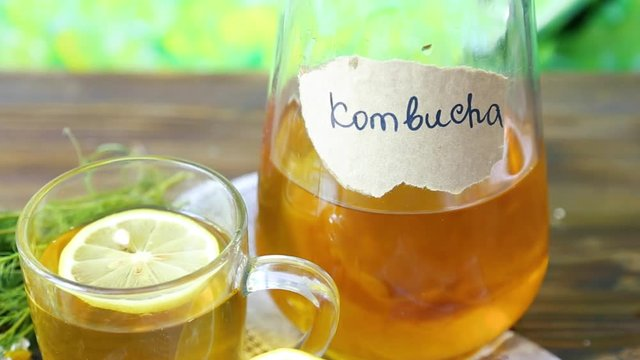
Kombucha is a fizzy, tangy fermented tea that’s taken the wellness world by storm. While it’s celebrated for its potential health properties, it’s essential to explore both the science-backed benefits and possible risks before making it a regular part of your diet.
What Makes Kombucha Special?
- Kombucha is loaded with bioactive compounds and is brewed with a symbiotic culture of bacteria and yeast (SCOBY), giving it probiotic qualities.
- Fermentation produces organic acids and antioxidants that can benefit health in various ways.
Key Health Benefits
- Antioxidant Power: Combats oxidative stress by neutralizing harmful free radicals, potentially lowering risk of chronic diseases.
- Gut Health Boost: Probiotic-rich, it can help maintain a healthy digestive system and support immune function.
- Blood Sugar & Heart: Some studies show kombucha may regulate blood glucose and improve cholesterol, helping those at risk for diabetes or heart disease.
- Liver Support: Its detox properties help protect the liver by lowering inflammation and supporting natural cleansing processes.
- Anti-Inflammatory: Its ingredients help reduce inflammation, which may be helpful for arthritis or other inflammatory conditions.
Potential Drawbacks & Risks
- Batch Variability: The exact health effects depend on tea type, fermentation time, and the unique mix of yeast and bacteria, making every batch a bit different and sometimes unpredictable.
- Adverse Reactions: While usually safe, kombucha can occasionally cause upset stomach, allergic reactions, or infections-especially if it’s homemade and contaminated.
- Who Should Avoid It: Kombucha is not recommended for infants, pregnant women, the immunocompromised, or those with existing liver/kidney conditions. Its acidity and trace alcohol can pose extra risks for these groups.
- Quality Control Concerns: Commercial kombucha isn’t standardized, so not every bottle will deliver the same health benefits or safety. Home-brew can carry risks of contamination or over-fermentation.
Kombucha at a Glance
Final Thoughts
Kombucha can be a flavorful and potentially functional beverage-just remember the risks, avoid overconsumption, and opt for commercial brews from reputable brands for maximum safety. When in doubt, consult your doctor before making kombucha a mainstay in your routine.
How to Make the Perfect Orange Tonic Espresso – A Signature Coffee Shifu Creation
Discover The Coffee Shifu’s exclusive Orange Tonic Espresso recipe – a refreshing blend of citrus,…
Gulab Jamun Affagato- The Hot Viral Winter Recipe
Gulab Jamun Affogato is a dreamy fusion of Italian coffee culture and classic Indian mithai,…
Grape Tonic Espresso The New Viral?
Grape Tonic Espresso is a fizzy, fruity, layered iced coffee that combines grape juice, tonic…
Gajar Ka Halwa Affogato: The Coffee Shifu’s Exclusive Fusion Recipe
Gajar Ka Halwa Affogato fuses traditional Indian carrot halwa with classic Italian affogato, where hot…
Best Cappuccino Recipe at Home: Instant Coffee to Frothy Perfection
Homemade cappuccino delivers thick, creamy foam and rich espresso flavor using just basic kitchen tools-No tools-no…
Best Homemade Mocha Hot Chocolate (Better Than Starbucks Café Mocha)
Craving the perfect blend of rich chocolate and bold coffee? Mocha hot chocolate delivers exactly that-a luxurious,…