
The Morning Ritual Millions Practice-But Is It Truly Harmful?
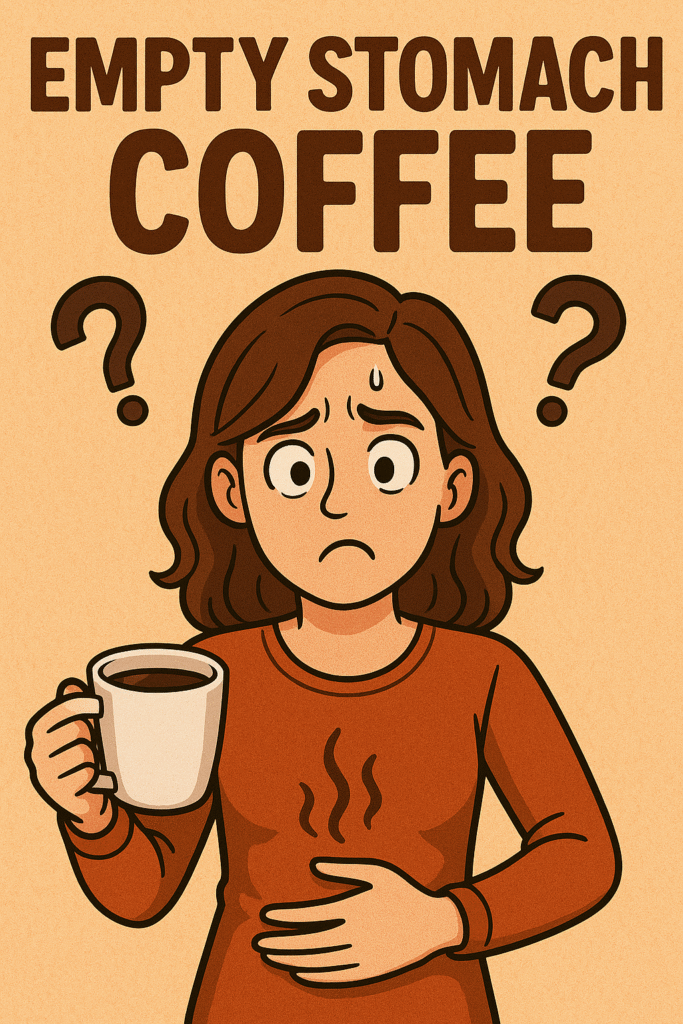
Picture this: Your alarm goes off at 6 AM. Before brushing your teeth, checking your phone, or even drinking water, you stumble to the kitchen and brew a fresh cup of coffee. Then you sip it on an empty stomach while mentally preparing for the day ahead.
If this sounds familiar, you’re not alone. Millions of people worldwide start their day this exact way.
But here’s what keeps many health-conscious individuals awake at night: Is drinking coffee on an empty stomach actually bad for you?
The answer from science? It’s more nuanced than you’ve been told.
Let’s separate myth from reality and discover what research actually reveals about your morning coffee habit.
The Popular Myth: “Coffee on an Empty Stomach Destroys Your Stomach Lining”
You’ve probably heard this warning a thousand times. Coffee is acidic, so drinking it without food will irritate your stomach, cause ulcers, and wreck your digestive system, right?
Here’s what the research actually shows: This is largely a myth.
Studies examining coffee’s effects on digestive health found no strong causal link between coffee and stomach damage for most people. One comprehensive analysis revealed that while coffee does stimulate stomach acid production, it doesn’t automatically cause digestive problems or damage the stomach lining.
The confusion arose because coffee’s bitterness does trigger stomach acid release. However, your stomach naturally produces hydrochloric acid for digestion anyway. A bit more acid from coffee doesn’t necessarily translate to harm.
Remarkably, one study found something counterintuitive: coffee-sensitive individuals actually reported less severe heartburn and indigestion when consuming coffee on an empty stomach compared to eating food first. This challenges everything you thought you knew.
However-and this is crucial-people with existing digestive conditions like GERD, IBS, or peptic ulcers should still be cautious.
The Blood Sugar Concern: Where the Science Gets Serious
Now here’s where the research becomes genuinely important.
A landmark 2020 study from the University of Bath examined what happens when you drink coffee before breakfast. The findings are eye-opening: Drinking strong black coffee on an empty stomach increased blood glucose response by approximately 50% at the next meal.
Let that sink in. By skipping breakfast and reaching for coffee first, you’re sabotaging your body’s ability to regulate blood sugar for hours afterward.
Why does this matter? Chronically elevated blood sugar increases your risk for:
- Type 2 diabetes
- Heart disease
- Metabolic syndrome
- Obesity and weight gain
The research didn’t just find minor effects either. The glucose response spike was substantial-50%-suggesting real metabolic disruption.
However, there’s an important caveat: One night of disrupted sleep alone didn’t impair blood sugar control. The coffee was the primary culprit.
The Cortisol Spike: Stress Hormone Response
Caffeine does one thing very effectively: it stimulates cortisol release. Cortisol is your body’s primary stress hormone, and elevated levels are linked to anxiety, irritability, disrupted sleep, and even increased belly fat storage.
The question is: How much of a spike are we talking about?
Research shows that caffeine increases cortisol secretion significantly-but here’s the twist. If you consume caffeine daily, your body develops partial tolerance to this effect. Frequent coffee drinkers show reduced cortisol spikes compared to those who abstain from caffeine regularly.
The solution? Wait 1-2 hours after waking before your first cup. This allows your body’s natural cortisol rhythm to peak naturally. When you then consume caffeine, it works with-rather than against-your body’s hormonal patterns.
What Actually Happens When You Drink Coffee on an Empty Stomach?
The Immediate Physical Response
When coffee reaches your empty stomach, several things happen simultaneously:
Rapid Caffeine Absorption: Without food present, caffeine absorbs faster into your bloodstream. You feel the “kick” more quickly and intensely.
Increased Stomach Acid Production: Your stomach responds to coffee’s natural bitterness by releasing hydrochloric acid. This is normal and expected-not necessarily harmful.
Lower Esophageal Sphincter Relaxation: Caffeine relaxes the LES muscle, which typically prevents stomach acid from rising into your esophagus. For most people, this causes no symptoms. For those with GERD, it can trigger reflux.
Digestive Tract Stimulation: Coffee stimulates your colon to contract, which can increase bowel movements. This is why many people find coffee helpful for digestion.
Who Actually Experiences Problems?
The research reveals an interesting pattern: Not everyone suffers from empty-stomach coffee.
According to studies:
- Coffee-sensitive individuals sometimes report fewer GI symptoms on an empty stomach
- Most people tolerate empty-stomach coffee without digestive issues
- People with pre-existing conditions (GERD, IBS, ulcers) are at higher risk
So if you drink coffee on an empty stomach and feel fine, you’re probably not damaging anything.
The Real Concern: Blood Sugar Dysregulation, Not Digestion
Here’s what most conversations about empty-stomach coffee get wrong: The primary concern isn’t your stomach-it’s your metabolism.
The 2020 University of Bath research demonstrates that the real problem isn’t acid or heartburn—it’s metabolic dysfunction.
By consuming coffee before eating:
- Your blood sugar spikes 50% higher at breakfast
- Your insulin response becomes impaired
- Your body struggles to manage glucose for hours afterward
- Over time, this pattern increases disease risk
For people managing diabetes, pre-diabetes, or metabolic syndrome, this finding is critical.
The Surprising Benefits (Yes, Really)
Before we leave this section, let’s acknowledge coffee’s genuine advantages when timed right:
Improved Athletic Performance: Consuming caffeine on an empty stomach may enhance exercise performance and endurance.
Faster Fat Oxidation: For those exercising in a fasted state, coffee can enhance fat burning.
Mental Clarity: Many people experience sharp focus and alertness from empty-stomach coffee-the rapid caffeine absorption means faster cognitive benefits.
Digestion Enhancement: Ironically, the increased stomach acid and colon stimulation can actually improve digestion for some people.
The key is understanding when these benefits outweigh the risks.
The Science-Backed Optimal Strategy: Timing Matters Everything
Based on current research, here’s the evidence-based recommendation:
The Ideal Timeline
7:00-7:30 AM – Eat Breakfast: Start with a balanced meal containing protein, complex carbs, and healthy fats. This stabilizes your blood sugar baseline.
Examples: Oatmeal with berries, toast with almond butter, eggs with whole grain bread, yogurt with granola.
7:45-8:00 AM – Drink Your Coffee: About 30-60 minutes after eating, enjoy your coffee.
Why This Works: Your digestive system is already processing food, your blood glucose is stable, and the caffeine provides a sustainable energy boost without metabolic disruption.
Exceptions: When Empty-Stomach Coffee Might Be Acceptable
If you’re exercising on an empty stomach for performance enhancement, consuming black coffee 15-30 minutes before your workout may be beneficial.
If you’re genuinely fine drinking coffee on an empty stomach and have no metabolic concerns, research suggests you’re likely not causing harm.
However, this shouldn’t become your daily habit.
Coffee on Empty Stomach: Who Should Absolutely Avoid It?
Certain groups of people should eat before consuming coffee—no exceptions:
People with GERD or acid reflux: Your digestive system is already compromised. Food acts as a protective buffer against increased stomach acid.
Those with diabetes or pre-diabetes: The 50% blood sugar elevation is dangerous for your metabolic health.
Individuals with IBS or sensitive stomachs: Even if you tolerate empty-stomach coffee sometimes, consistency matters. Food provides digestive support.
Anyone prone to anxiety or panic attacks: Rapid caffeine absorption can amplify these conditions.
People over 65: Your body metabolizes caffeine more slowly, making empty-stomach effects more pronounced.
Pregnant or nursing women: Caffeine absorption is faster on an empty stomach, potentially affecting fetal development or breast milk composition.
Those with heart conditions: Rapid caffeine spikes can affect heart rate and blood pressure.
The Harvard Health Perspective: What the Experts Actually Recommend
Harvard Medical School notes that while coffee offers numerous health benefits-including reduced risk of Parkinson’s, Alzheimer’s, and type 2 diabetes—the timing of consumption matters for maximizing these benefits.
The Mayo Clinic recommends that most healthy adults can safely consume 3-4 cups of coffee daily, but emphasizes that individual tolerance varies significantly.
Cleveland Clinic suggests adding low-fat dairy to your coffee if you experience reflux, as milk can buffer stomach acid.
The consensus among major medical institutions? Drink coffee with or after food for optimal metabolic health.
The Bottom Line: What The Science Actually Says
Here’s the straightforward answer:
Drinking coffee on an empty stomach probably won’t destroy your digestive system for most people. The stomach ulcer and acid reflux fears are largely exaggerated.
However, it will impair your blood sugar control and metabolism. A 50% glucose spike is significant and concerning for long-term health, especially for those already struggling with metabolic issues.
The optimal strategy is simple: Eat something first, wait 30-60 minutes, then enjoy your coffee.
This approach:
- Protects your metabolic health
- Maintains stable blood sugar
- Reduces cortisol spikes
- Supports healthy digestion
- Allows caffeine to enhance focus naturally
Three Quick Fixes If You Insist on Morning Coffee
If you must drink coffee before breakfast:
- Choose a darker roast: Darker roasts are less acidic and easier on the stomach.
- Add milk or cream: Even a small amount of dairy acts as a buffer against stomach acid.
- Consume small amounts: A 6-8 oz cup causes less disruption than a full 12 oz serving.
- Stay hydrated: Coffee has mild diuretic properties. Drink water before and after to support digestion.
But remember—these are “band-aids” rather than optimal solutions.
The Personal Experiment: How to Determine Your Tolerance
Everyone’s digestive system is unique. Here’s how to test your individual response:
Week 1: Drink coffee on an empty stomach. Track how you feel-energy levels, digestion, mood, anxiety, sleep quality.
Week 2: Eat breakfast first, then coffee 30-60 minutes later. Note any differences.
Compare: Which approach leaves you feeling better throughout the day?.
Your personal experience matters just as much as the research.
The Final Truth: Listen to Your Body, But Follow the Science
Millions of people drink coffee on an empty stomach daily without immediate negative effects. Your stomach likely isn’t being destroyed.
However, your metabolism is being affected in ways you can’t feel. Blood sugar dysregulation happens silently, without symptoms, until it progresses to pre-diabetes or metabolic syndrome.
The science is clear: For optimal health, eat breakfast, then enjoy your coffee.
This single habit change-delaying your morning coffee by 30-60 minutes-could have substantial long-term health implications for blood sugar control, diabetes risk, and metabolic wellness.
Your future self will thank you.
Follow our blogs https://thecoffeeshifu.com/blog/