
Is there really cockroach in your coffee? Discover the actual facts, health effects, pros and cons, and what regulators allow-plus tips for safer, more delicious brews.
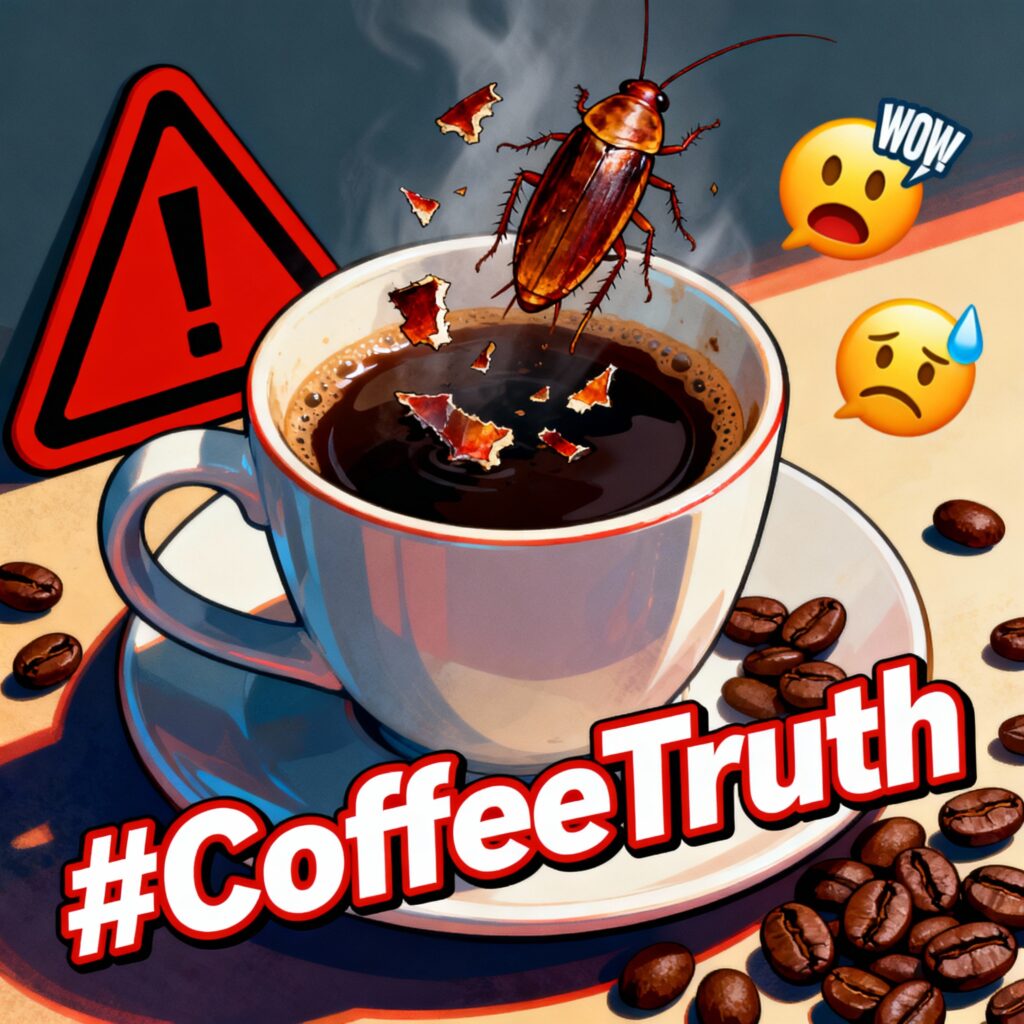
Trending Now: Is There a Cockroach in Your Coffee Cup?
Recently, the internet exploded with viral videos and unsettling claims: “You’re drinking cockroach fragments with every cup of pre-ground coffee!” It sounds shocking, but is it really true? Although this isn’t a new debate, the topic has sparked intense curiosity, revulsion, and conversation worldwide. Let’s dig beyond the headlines.
The Hard Reality: Why Are Cockroaches in Coffee?
Firstly, consider how coffee is grown and processed. Coffee beans are stored in massive warehouses, where insects-including cockroaches-occasionally sneak in. During harvest, storage, and transport, a small percentage of beans become contaminated. Because large-volume, pre-ground coffee cannot be 100% free from bugs, regulatory bodies set strict limits— in the US, the FDA allows up to 10% “insect-damaged” beans, and even in India, a tiny amount of contamination is acknowledged.
Key Point:
No manufacturer adds cockroaches deliberately. They’re simply an unavoidable part of industrial food production-affecting not just coffee, but chocolate, peanut butter, and more.
Myths Busted: What Science and Experts Say
While the thought of bug bits in your brew is disgusting, experts point out a few important facts:
- These fragments are tiny and usually destroyed during roasting and brewing.
- For the overwhelming majority, they are harmless. However, people with severe shellfish or cockroach allergies may experience reactions—even to trace exposure.
- Regulators worldwide consider these levels safe for healthy adults.
The Pros: Unexpected Upsides (Believe It or Not!)
It might surprise you, but there are some curious advantages:
- Natural Protein: Insects-including cockroaches-are high in protein, calcium, and iron, contributing trace nutrients (though the amounts are negligible).
- Perspective on Sustainability: Accepting minor insect contents reduces the need for excessive pesticides and waste, making large-scale coffee safer for the planet.
- Igniting Curiosity: Viral stories encourage conversations about food safety and transparency, motivating people to buy better, fresher coffee.
The Cons: When Is It a Real Problem?
Despite minimal risk for most, there are some genuine concerns:
- Allergic Reactions: Individuals allergic to shellfish or cockroaches can have symptoms ranging from mild to severe (hives, migraines, or asthma, in rare cases).
- Quality Control: Weak regulations in some countries mean poor manufacturing practices can slip through, increasing contamination.
- Psychological “Ick” Factor: For many, the biggest issue is mental: knowing your coffee might have roach parts can ruin the magic of your daily ritual.
What You Can Do: Smart Steps for Coffee Lovers
- Choose Whole Beans: The fewer the processing steps, the lower the risk. Grinding your own beans is the best way to minimize insect content.
- Buy Trusted Brands: High-quality producers have stricter sourcing and cleaning processes.
- Look for Certifications: Organic, high-end, or specialty labels often mean better oversight.
- Store Properly: At home, always keep coffee in airtight containers to avoid attracting bugs.
Viral and Wild: Why This Story Won’t Die
Every few months, this topic trends again-fueling memes, memes, disgust, and lots of heated debate. Internet culture loves shock value, but it also provides an opportunity for truth: yes, traces of insects exist in nearly every food, but when you choose carefully and stay informed, you’re in control. Besides, some cultures even celebrate insects as a delicacy!
Bottom Line: Should You Panic or Pour Another Cup?
Ultimately, finding cockroach fragments in coffee is far less dramatic than it sounds. You can take practical steps to limit exposure, but for most, the risks are minor and the health impact is nearly zero. Instead of panicking, let this be a reminder to seek fresher beans, support ethical coffee, and enjoy your brew with peace of mind.
References:
- Times of India – What the FDA Really Approves
- The Week – Cockroaches in Coffee: Health Study
- FDA Defect Levels Handbook
- Expert quotes and trending Instagram/Reddit posts
Related
Explore health implications of insect fragments in coffee
Suggest ways to ensure coffee quality and safety standards
Analyze consumer reactions to cockroach fragments in coffee
Compare insect contamination regulations globally
Recommend brewing methods to reduce insect residue in coffee

Follow our blogs https://thecoffeeshifu.com/blog/