
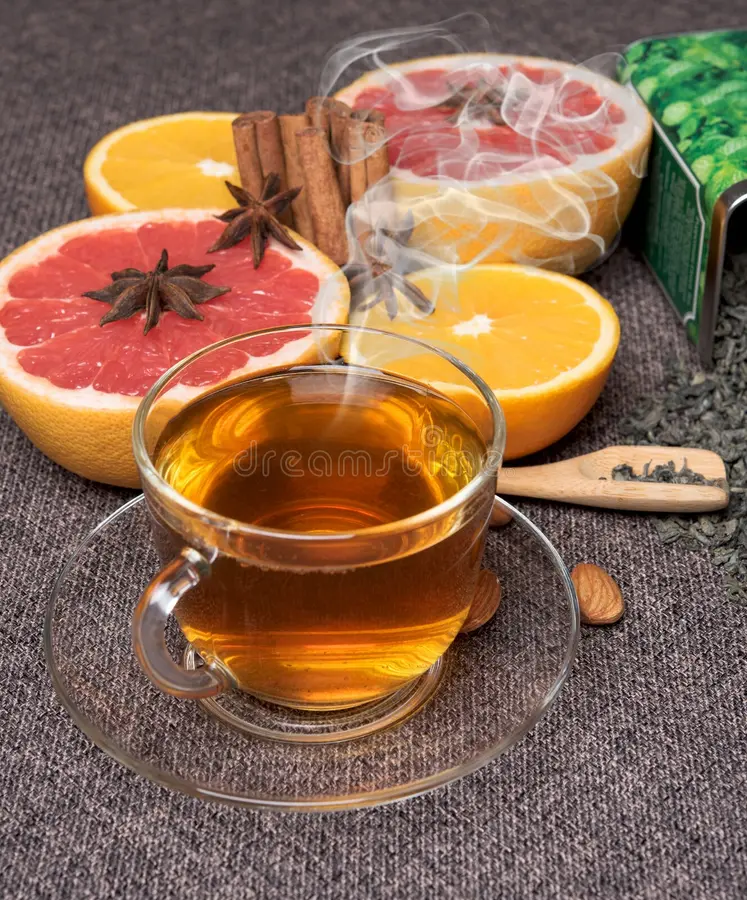
Tea is one of the world’s most beloved beverages, but many people don’t realize that what you eat with tea matters significantly. Certain food combinations can interfere with digestion, block nutrient absorption, and diminish tea’s health benefits. Here’s what you need to know to enjoy tea safely and maximize its benefits.
Understanding Tea’s Effect on Your Digestion
Tea contains powerful compounds called tannins — polyphenols that give tea its distinctive bitter, astringent taste and dry mouthfeel. While tannins offer antioxidant and anti-inflammatory benefits, they also bind to minerals and proteins in your digestive tract. When combined with certain foods, tannins can create complications including poor nutrient absorption, nausea, and digestive distress.
1. Citrus Fruits – More Harmful Than You’d Think
It might seem healthy to add lemon to your tea, but citrus fruits are one of the worst pairings for tea consumption.
The Problem: Citrus fruits like lemon, orange, and grapefruit are highly acidic. When combined with tea’s natural acidity and tannins, they create a triple threat to your digestive system. The high acid levels can cause heartburn, acid reflux, and bloating. Additionally, lemon juice combined with milk in tea causes curdling, creating an unappetizing texture.
Health Risks: Excessive consumption of acidic lemon tea can erode tooth enamel, trigger acid reflux, and cause severe digestive discomfort. Lemon’s oxalates may also contribute to kidney stone formation in susceptible individuals.
Better Option: If you enjoy citrus flavours in black tea, use just a thin slice rather than juice. Alternatively, try herbal teas instead.
2. Iron-Rich Foods – Silent Nutrient Blocker
Spinach, beans, red meat, and nuts are nutritious, but combining them with tea is a nutritional mistake.
The Problem: Tea’s tannins are particularly effective at binding to non-heme iron (the type found in plant-based foods). Research shows that black tea reduces iron absorption by about 60%, while green tea reduces it by about 30%. For vegans and vegetarians, this is especially problematic since they rely on plant-based iron sources.
Health Risks: Over time, reduced iron absorption can lead to iron deficiency anemia, causing fatigue, weakness, and weakened immunity. Pregnant women, menstruating women, and people with existing iron deficiency are at highest risk.
Smart Timing: Consume iron-rich meals at least 1-2 hours before or after drinking tea. Better yet, opt for herbal teas like chamomile or rooibos, which are naturally low in tannins.
3. Spicy Foods – A Recipe for Stomach Trouble
Curries, chillies, and hot sauces might taste amazing, but they’re terrible companions for tea.
The Problem: Spicy foods contain capsaicin, a compound that irritates your stomach lining. Combined with tea’s tannins — which already have astringent properties — this creates excessive stomach acid and inflammation. The result is intense indigestion, bloating, and discomfort.
Health Risks: Regular consumption of spicy foods with tea can aggravate conditions like acid reflux, gastritis, and IBS. The combination also overpowers tea’s delicate, nuanced flavours.
Alternative: Enjoy tea with mild or bland foods instead. Pair it with simple snacks like biscuits, plain cakes, or light pastries.
4. High-Fibre Foods – Interferes With Nutrient Absorption
Raw vegetables, whole grains, oats, and legumes are incredibly healthy, but timing matters when drinking tea.
The Problem: Tea’s oxalates and tannins bind to minerals like calcium, magnesium, and zinc in high-fibre foods, making them harder for your body to absorb. This reduces the nutritional value of both the food and the tea.
Health Risks: Over time, this can contribute to mineral deficiencies, weak bones, and poor muscle function.
Solution: Wait 30-45 minutes after eating fibre-rich meals before drinking tea or consume tea before your meal.
5. Sugary Foods & Refined Carbs – Blood Sugar & Digestion Chaos
Pastries, cakes, biscuits, and candies might pair well with tea traditionally, but they come with hidden costs.
The Problem: Combining sugary foods with tea causes rapid blood sugar spikes. Tea’s tannins can also slow digestion when mixed with refined carbohydrates, leading to energy crashes and digestive sluggishness.
Health Risks: Frequent pairing of tea with sugar can contribute to weight gain, metabolic dysfunction, energy crashes, and increased risk of type 2 diabetes.
Better Pairing: If you need a snack with tea, choose protein-rich options like nuts, eggs, or cheese, which won’t spike blood sugar.
6. Fried & Oily Foods – Bloating and Constipation
Samosas, pakoras, fried chicken, and other greasy snacks are notorious tea time offenders.
The Problem: Fried foods coat your palate and slow digestion significantly. Tea’s tannins combined with high fat content create a “digestive traffic jam,” leading to bloating, constipation, and acid reflux. Your stomach has to work overtime to process the combination.
Health Risks: Regular consumption can weaken digestion, cause chronic bloating, and contribute to gut dysbiosis.
Smart Choice: Save fried foods for when you’re not drinking tea. Pair tea instead with light, whole foods.
Pro Tips for Maximum Tea Benefits
✓ Drink tea between meals — at least 30 minutes before or after eating solid food
✓ Choose the right tea type — white and herbal teas have lower tannin content than black or strong green teas
✓ Brew wisely — shorter steeping times reduce tannin concentration. Over-brewing increases tannins by up to 50%
✓ Add milk — proteins in milk bind to some tannins, reducing digestive irritation
✓ Stay hydrated — drink tea in moderation (2-3 cups daily maximum)
The Bottom Line: Tea is a powerful health elixir, but context matters. By avoiding these problematic food pairings and timing your consumption strategically, you’ll unlock tea’s full potential for better digestion, improved nutrient absorption, and maximum health benefits.
Follow our blogs https://thecoffeeshifu.com/blog/
How to Make the Perfect Orange Tonic Espresso – A Signature Coffee Shifu Creation
Discover The Coffee Shifu’s exclusive Orange Tonic Espresso recipe – a refreshing blend of citrus,…
Gulab Jamun Affagato- The Hot Viral Winter Recipe
Gulab Jamun Affogato is a dreamy fusion of Italian coffee culture and classic Indian mithai,…
Grape Tonic Espresso The New Viral?
Grape Tonic Espresso is a fizzy, fruity, layered iced coffee that combines grape juice, tonic…
Gajar Ka Halwa Affogato: The Coffee Shifu’s Exclusive Fusion Recipe
Gajar Ka Halwa Affogato fuses traditional Indian carrot halwa with classic Italian affogato, where hot…
Best Cappuccino Recipe at Home: Instant Coffee to Frothy Perfection
Homemade cappuccino delivers thick, creamy foam and rich espresso flavor using just basic kitchen tools-No tools-no…
Best Homemade Mocha Hot Chocolate (Better Than Starbucks Café Mocha)
Craving the perfect blend of rich chocolate and bold coffee? Mocha hot chocolate delivers exactly that-a luxurious,…
- Understanding Tea's Effect on Your Digestion
- 1. Citrus Fruits – More Harmful Than You'd Think
- 2. Iron-Rich Foods – Silent Nutrient Blocker
- 3. Spicy Foods – A Recipe for Stomach Trouble
- 4. High-Fibre Foods – Interferes With Nutrient Absorption
- 5. Sugary Foods & Refined Carbs – Blood Sugar & Digestion Chaos
- 6. Fried & Oily Foods – Bloating and Constipation
- Pro Tips for Maximum Tea Benefits