
Every morning, billions of people worldwide reach for their favorite cup of coffee. But have you ever wondered where your coffee actually comes from? The global coffee industry produces over 170 million bags annually, with the top 10 countries accounting for approximately 85% of worldwide production. Let’s explore these coffee powerhouses that fuel our daily caffeine rituals and define global coffee culture.
1. Brazil: The Undisputed Coffee King
Production Volume: 3.4 million tons annually (37-40% of world production)
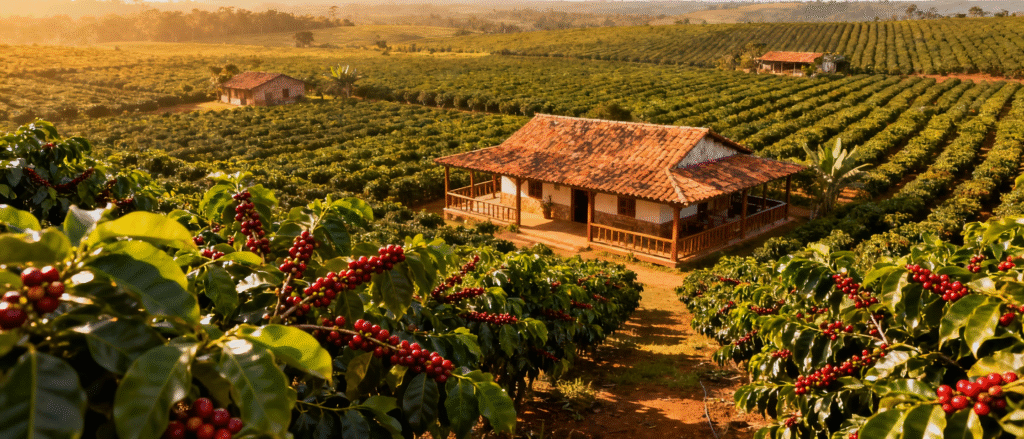
Brazil dominates the global coffee scene like no other nation. As the world’s largest coffee producer for over 150 years, Brazil cultivates coffee across vast plantations stretching across 27,000 square kilometers. The country’s southeastern regions-particularly Minas Gerais, São Paulo, and Espírito Santo-create ideal growing conditions that produce both premium Arabica (70%) and robust Robusta (30%) varieties.
Cultural Significance
Coffee isn’t just a commodity in Brazil-it’s woven into the nation’s identity. Walk through any Brazilian city, and you’ll encounter the beloved cafézinho, a small, strong, sweet coffee offered as a gesture of warm hospitality in homes, offices, and street corners. This tiny cup represents Brazilian generosity and social connection.
Brazilian coffee features rich chocolate, caramel, and nutty flavors with full body and low acidity, making it perfect for espresso and cold brew preparations. The coffee sector employs millions of workers and contributes approximately 2% to Brazil’s GDP, demonstrating how deeply this industry impacts the nation’s economy.
Why Brazil Leads
Brazil’s coffee dominance stems from its massive scale, favorable climate, advanced infrastructure, and generations of expertise. The country’s ability to produce consistently high volumes while maintaining quality standards keeps it firmly positioned as the global leader in coffee production.
2. Vietnam: The Robusta Powerhouse
Production Volume: 1.7-1.9 million tons annually (17-20% of world production)
Vietnam’s meteoric rise in the coffee world represents one of agriculture’s most remarkable success stories. After economic reforms in 1986 opened the sector to private investment, Vietnam transformed from a minor player to the world’s second-largest coffee producer. Today, the country leads global Robusta coffee production, accounting for approximately 40% of all Robusta beans worldwide.
Cultural Significance
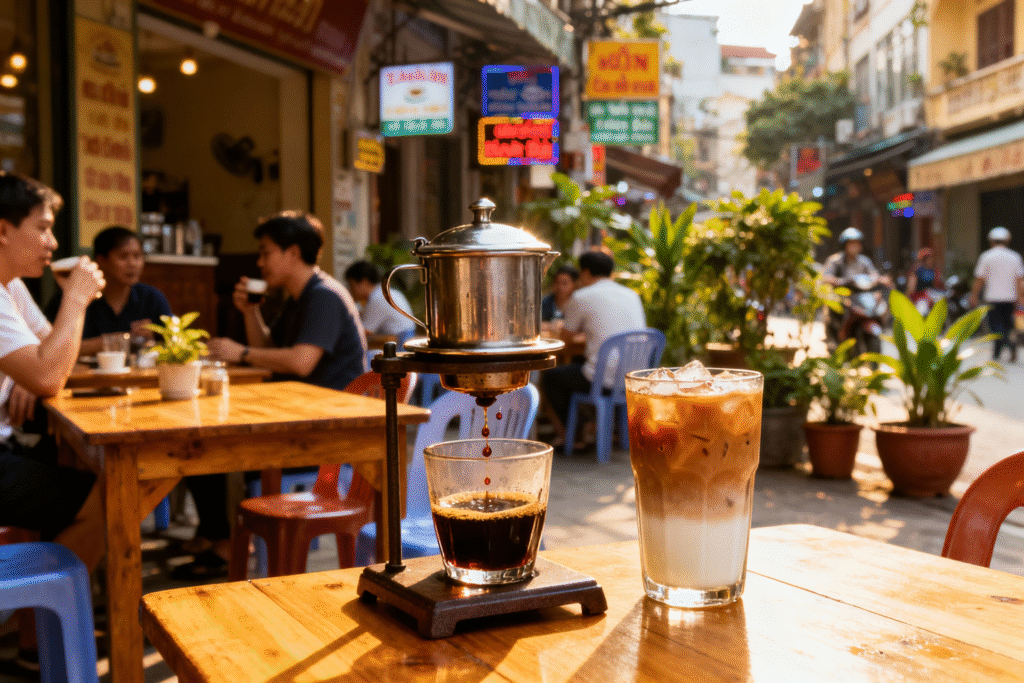
Vietnamese coffee culture celebrates bold, strong flavors that reflect the nation’s spirited character. The traditional cà phê sữa đá-robust drip coffee mixed with sweetened condensed milk over ice—has become iconic. This beverage showcases Vietnam’s creative approach to coffee, blending French colonial influence with local innovation.
Coffee preparation in Vietnam is an art form. The signature phin filter, a small metal brewing device, sits atop the cup and slowly drips coffee directly into sweetened condensed milk below. This deliberate, patient process mirrors Vietnamese appreciation for slowing down and savoring life’s moments.
Street-side coffee culture defines daily life, with plastic stools lining sidewalks where locals gather to sip coffee, chat, and watch vibrant city life unfold. This accessible, social coffee experience makes Vietnam’s coffee culture uniquely approachable and democratic.
Economic Impact
Coffee contributes 3% to Vietnam’s GDP and employs more than 2.5 million people. The Central Highlands region, particularly Dak Lak province, produces over 90% of Vietnamese coffee. The country’s focus on hardy, pest-resistant, lower-cost Robusta varieties has allowed it to dominate the instant coffee and commercial blend markets globally.
3. Colombia: Premium Arabica Excellence
Production Volume: 680,000-885,000 tons annually (6-8% of world production)
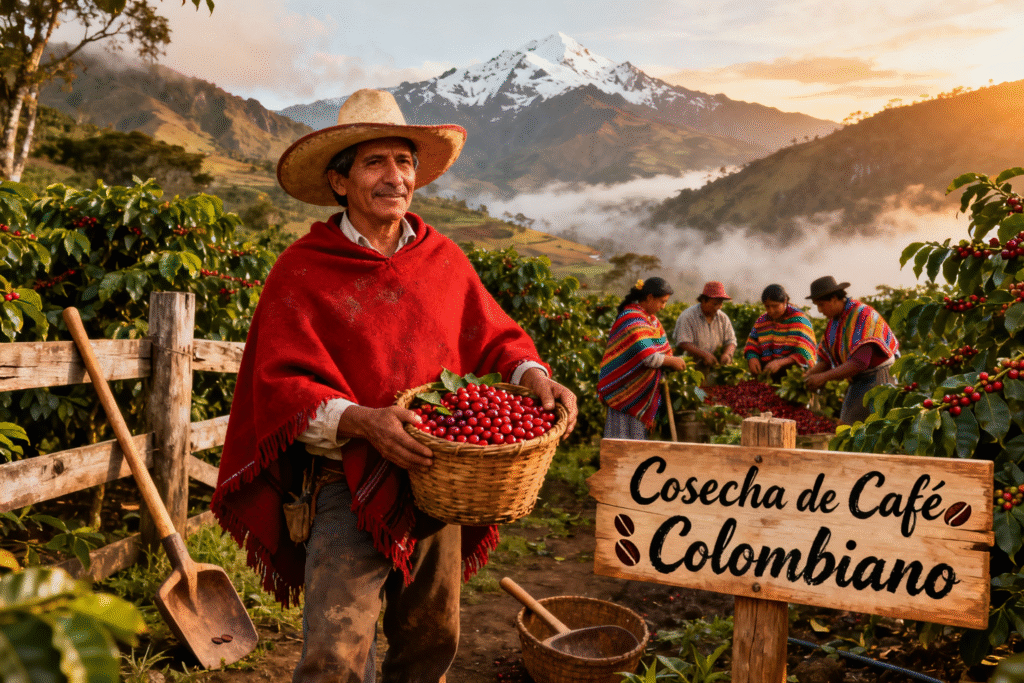
Colombia has built a reputation as the gold standard for high-quality Arabica coffee. The country’s mountainous terrain, consistent temperatures, and well-distributed rainfall create perfect coffee-growing conditions. Colombian coffee is so renowned that it has achieved Protected Geographical Indication status, similar to Champagne from France.
Cultural Significance
Coffee defines Colombian identity more than perhaps any other nation. The iconic Juan Valdez character-a fictional coffee farmer with his mule-has become the global face of Colombian coffee, symbolizing the dedication and hard work of over 500,000 coffee-growing families.
The Coffee Cultural Landscape, designated as a UNESCO World Heritage site, reflects coffee’s profound significance in Colombian culture and history. Coffee isn’t merely grown in Colombia; it’s celebrated, protected, and elevated to an art form.
Colombian coffee delivers balanced flavors, bright acidity, and fruity notes like apple and caramel. These characteristics make Colombian beans ideal for drip coffee and espresso, earning them devotion from coffee connoisseurs worldwide.
Sustainability Leadership
Colombia emphasizes sustainable, eco-friendly coffee farming through the National Coffee Growers Federation (FNC). The organization promotes environmental stewardship while supporting farmer livelihoods, ensuring Colombian coffee production remains economically and ecologically viable for future generations.
The coffee industry contributes 8% to Colombia’s GDP and remains a cornerstone of national identity, representing both economic survival and cultural pride for millions of Colombians.
4. Ethiopia: Coffee’s Sacred Birthplace
Production Volume: 559,000-836,000 tons annually (4-5% of world production)
Ethiopia holds a unique position in coffee history as the birthplace of Arabica coffee. Coffee grows wild in Ethiopian forests, and the country produces exclusively Arabica varieties with diverse, complex flavor profiles that specialty coffee enthusiasts prize above almost all others.
Cultural Significance
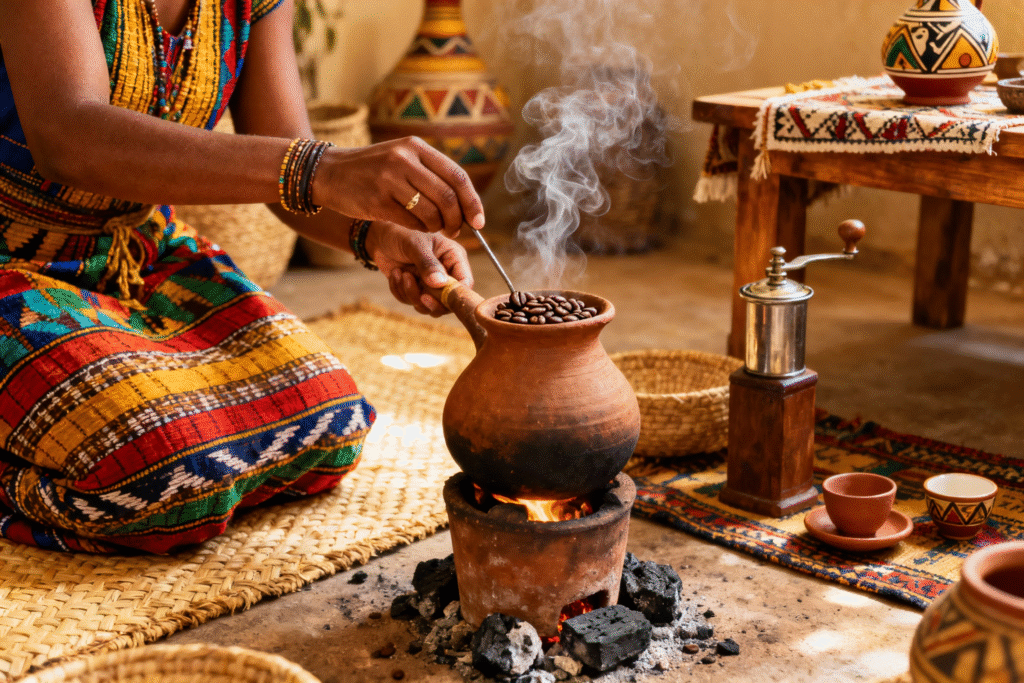
The Ethiopian coffee ceremony represents one of the world’s most elaborate and meaningful coffee traditions. This ornate ritual, typically performed by the woman of the household, transforms coffee preparation into a sacred social event lasting 2-3 hours.
The ceremony begins with roasting green coffee beans over an open flame in a flat pan, releasing intoxicating aromas that mingle with frankincense and myrrh incense. Beans are then ground using a traditional wooden mortar and pestle called mukecha. The ground coffee brews in a beautiful clay pot called a jebena, which naturally filters grounds through its narrow spout.
Coffee is served in three rounds, each with spiritual significance:
- Abol (first round): The strongest, representing awakening
- Tona (second round): Milder, symbolizing transformation
- Bereka (third round): The lightest, meaning “to be blessed”
Declining an invitation to an Ethiopian coffee ceremony is considered deeply impolite, highlighting how central coffee is to Ethiopian hospitality, friendship, and community bonds.
Flavor Diversity
Ethiopian coffee regions-Sidamo, Yirgacheffe, Harrar, Limu, and Jimma—each produce beans with distinct characteristics. Ethiopian coffees often feature bright, wine-like acidity, floral aromatics, and fruit-forward flavor notes that make them favorites in specialty coffee circles.
As coffee’s homeland, Ethiopia treats coffee not as a commodity but as a sacred cultural treasure, preserving traditions that date back centuries while continuing to produce some of the world’s most sought-after beans.
5. Indonesia: Earthy Complexity from Island Terroir
Production Volume: 760,000-1.09 million tons annually (5-6% of world production)
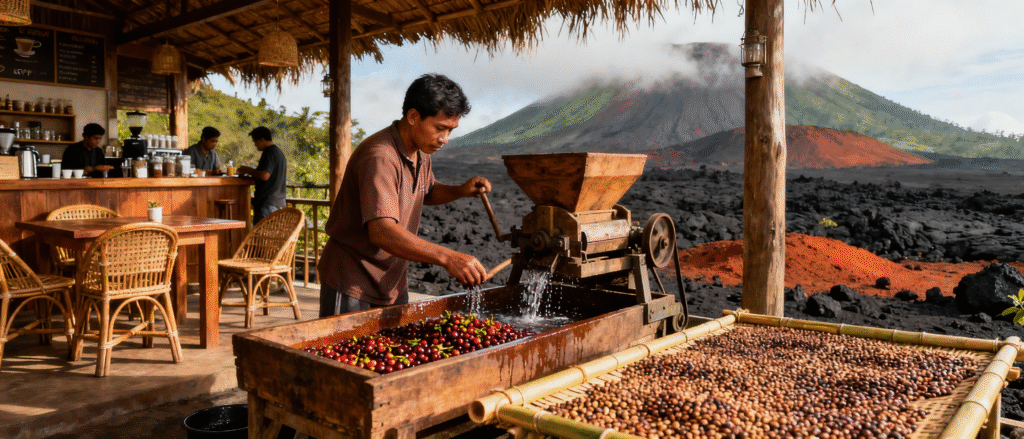
Indonesia’s archipelago creates diverse microclimates and volcanic soil conditions that produce distinctive, bold coffees. The country ranks as the world’s fifth-largest coffee producer, with famous beans from Sumatra, Java, Sulawesi, Bali, and Flores each offering unique flavor profiles.
Cultural Significance
Coffee arrived in Indonesia during the Dutch colonial period in the late 1600s, establishing the country as a key player in global coffee trade. Today, coffee is deeply embedded in Indonesian social life through warungs kopi-traditional coffee stalls lining streets where communities gather.
Indonesian coffee culture celebrates unique preparation methods like kopi tubruk, a traditional Javanese technique where coarse coffee grounds are boiled with a lump of sugar, creating a thick, sweet, unfiltered brew. This method brings families and communities together, reinforcing social bonds.
The traditional giling basah (wet hulling) processing method used in Sumatra and Sulawesi creates the distinctive earthy, full-bodied, low-acid flavor profile that Indonesian coffee is famous for. This technique, practiced by small-scale family farmers maintaining ancient traditions, produces coffee unlike any other region.
Unique Varieties
Sumatra’s Mandheling coffee offers rich, earthy, chocolatey notes. Java’s beans feature molasses, clove, and fig sweetness. Bali’s Kintamani region produces bright, fruity Arabica with volcanic terroir influence. Each island contributes its own signature to Indonesia’s diverse coffee identity.
Indonesia also produces the world’s most expensive coffee-Kopi Luwak (civet coffee)—where beans pass through the Asian palm civet’s digestive system, creating an extraordinarily smooth, low-acid profile that commands premium prices globally.
Coffee cultivation employs millions of Indonesians, with most production coming from small family farms scattered across the islands, making coffee growing feel like a deliberate practice of love passed through generations.
6. Uganda: Africa’s Robusta Powerhouse
Production Volume: 384,000-640,000 tons annually (4% of world production)
Uganda stands out as Africa’s leading Robusta coffee producer, ranking sixth globally. The East African nation has rapidly expanded its coffee industry, transforming from a regional player into a significant international exporter. Uganda’s strategic location, favorable climate, and growing investment in agricultural technology position the country for continued expansion.
Cultural Significance
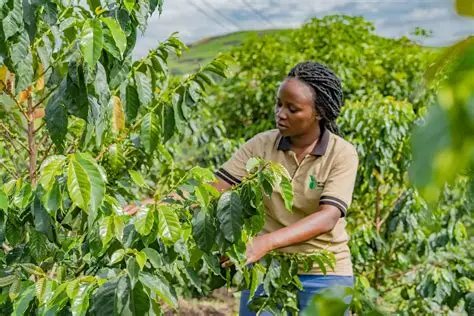
Coffee farming in Uganda represents more than economic activity-it’s a livelihood for over 1.9 million farmers and a source of national pride. The country’s diverse geography, from the Mountains of the Moon to fertile volcanic regions, creates varied microclimates perfect for robust coffee cultivation.
Ugandan coffee culture values community and sustainable farming practices. Many Ugandan farmers practice shade-grown coffee farming, which preserves biodiversity while producing high-quality beans. The coffee trade has lifted millions of Ugandans from poverty, demonstrating agriculture’s transformative power.
Economic Impact
Coffee generates approximately $500 million annually in export revenue for Uganda, making it the nation’s leading agricultural export. The industry directly employs millions and supports rural development, infrastructure improvement, and education across coffee-growing regions.
Ugandan Robusta beans deliver full body, earthy undertones, and spicy notes, making them ideal for espresso blends and instant coffee production. The country’s commitment to quality improvement and traceability has enhanced its reputation globally.
7. India: The Emerging Asian Giant
Production Volume: 332,000-620,000 tons annually (4% of world production)
India represents the world’s seventh-largest coffee producer and a rising force in global coffee markets. The country produces both Arabica and Robusta varieties, with unique flavor profiles shaped by its distinctive geography and climate. India’s coffee exports have nearly doubled in recent years, reaching $1.29 billion in 2023-24, demonstrating the nation’s growing importance.
Cultural Significance
India’s coffee culture reflects the country’s rich heritage and love for afternoon social rituals. The iconic Indian filter coffee (kaapi), made with dark roasted coffee and chicory, holds a cherished place in South Indian tradition. The preparation method-using a metal drip filter-mirrors the contemplative, patient approach to coffee that defines Indian culture.
Coffee arrived in India during the 17th century and took root in the lush Western and Eastern Ghats mountains. Today, coffee isn’t just a beverage-it’s a connection to India’s ecological treasures and agricultural heritage.
Production Regions
Karnataka dominates Indian coffee production, contributing 71% of the national output. The state’s cool mountain climate and rich soil create ideal conditions for cultivating premium Arabica and Robusta beans. Kerala (20%) and Tamil Nadu (5%) follow as significant producers, each offering distinct flavor profiles.
Why India Matters
Indian coffee stands out for its ecological significance. Most Indian coffee grows in shade-grown plantations that support biodiversity and preserve natural habitats. This commitment to environmental stewardship makes Indian coffee attractive to conscious consumers seeking sustainable options.
The Coffee Board of India projects significant production increases, aiming to reach 9 lakh tonnes (900,000 tons) by 2047. This ambitious vision reflects India’s determination to become a global coffee powerhouse while maintaining quality and sustainability standards.

8. Honduras: Central America’s Rising Star
Production Volume: 384,000-550,000 tons annually (3% of world production)
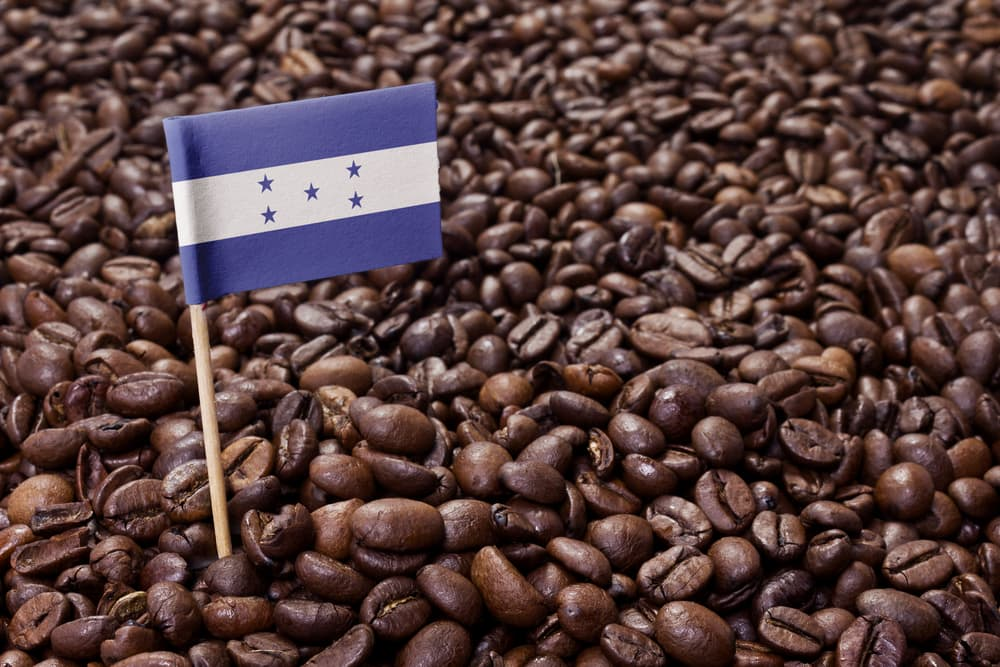
Honduras stands as the leading coffee producer in Central America and the eighth-largest globally. The country’s rapid growth trajectory has transformed it from a minor regional player into a significant international exporter. Honduras produces 100% Arabica coffee, earning recognition for consistent quality and sustainable farming practices.
Cultural Significance
Coffee defines Honduras’s agricultural identity and provides livelihoods for over 110,000 farming families. The industry represents tremendous economic importance, employing hundreds of thousands across production, processing, and export sectors.
Honduran coffee culture emphasizes cooperation and community support. Farming families often belong to coffee cooperatives that provide mutual aid, knowledge sharing, and market access. This cooperative spirit strengthens regional resilience while ensuring fair compensation for producers.
Notable Growing Regions
Honduras’s premium coffee regions include Copán, Montecillos, Agalta, Opalaca, Comayagua, and El Paraiso. Each region produces distinct flavor profiles shaped by altitude, soil composition, and microclimate variations. Copán, in particular, gained international recognition for producing exceptional high-altitude Arabica beans.
Growth Potential
Honduras has become recognized as a specialty coffee origin, attracting global coffee enthusiasts seeking unique lots. The country’s highest production per capita worldwide and growing focus on quality-driven cultivation position Honduras for continued international recognition.
9. Peru: Specialty Coffee Leader and Fair Trade Champion
Production Volume: 369,000-435,000 tons annually (2-3% of world production)
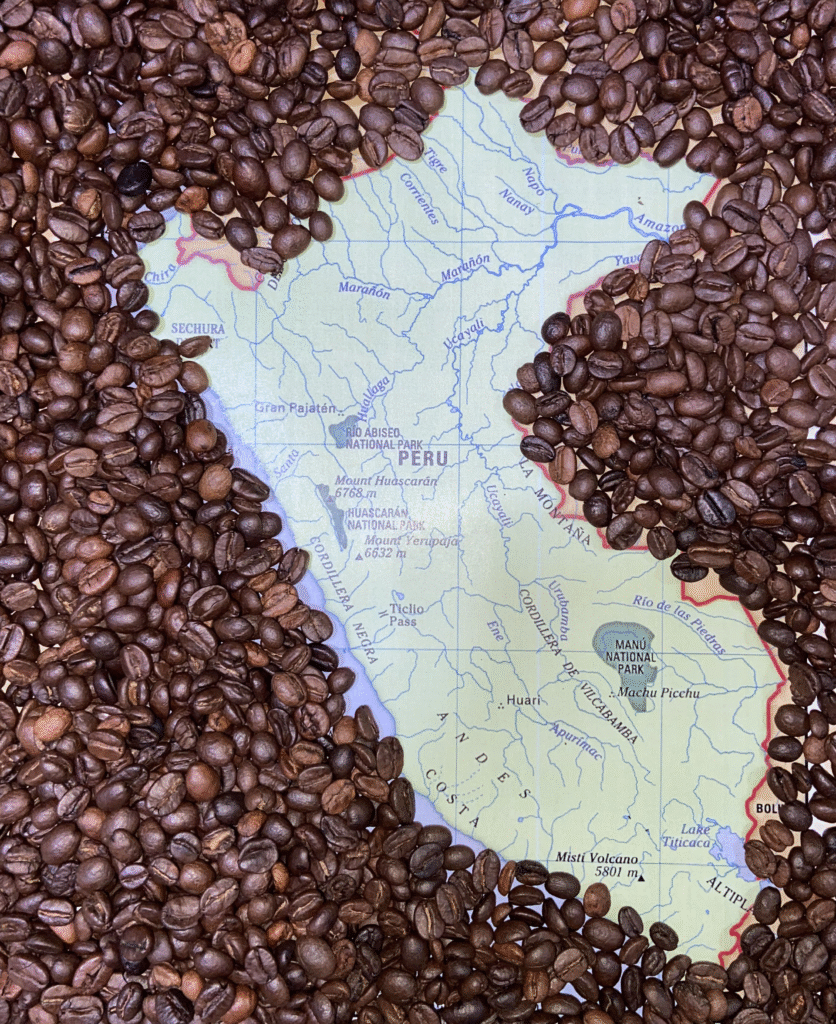
Peru ranks as the world’s ninth-largest coffee producer and holds the distinguished position of being the global leader in certified Fair Trade and organic Arabica coffee production. The country’s commitment to sustainable, ethical coffee farming has earned it deep respect within specialty coffee communities worldwide.
Cultural Significance
Coffee production is deeply embedded in Peruvian society, with over 223,000 farming families depending on coffee for their livelihoods. The industry employs more than 2 million Peruvians across the entire production chain, making coffee integral to national economic development and cultural identity.
Peruvian coffee culture celebrates small-scale, family-based farming combined with environmental stewardship. Many Peruvian coffee farmers practice organic cultivation, preserving soil health while producing exceptional quality beans.
Geographic Advantages
Peru’s coffee-growing regions stretch along the eastern slopes of the Andes Mountains, covering 17 of Peru’s 24 regions. This extensive cultivation occupies approximately 40% of national farmland and up to 70% of farms in Peruvian highlands. The high altitude, rich volcanic soil, and consistent rainfall create ideal growing conditions for premium Arabica development.
Sustainability Leadership
Peruvian coffee represents 25% of the nation’s agricultural income and maintains strong sustainability credentials. The country produces high percentages of organic and Fair Trade certified coffee, appealing to conscientious consumers seeking ethical coffee options.
Peruvian beans deliver balanced acidity, medium body, and distinctive fruit and chocolate notes. These characteristics, combined with sustainable farming practices, make Peruvian coffee increasingly popular among specialty coffee enthusiasts.
10. Mexico: Quality Over Quantity
Production Volume: 194,000-387,000 tons annually (2% of world production)
Mexico ranks as the world’s tenth-largest coffee producer and remains the largest in North America. The country produces primarily Arabica coffee, known for its smooth flavor, balanced acidity, and medium body. Mexico’s coffee industry employs over 500,000 farmers and represents significant agricultural export value.
Cultural Significance
Coffee holds special importance in Mexican culture, representing both colonial heritage and contemporary identity. Mexican coffee traditions reflect indigenous agricultural knowledge combined with Spanish colonial influences, creating a unique cultural blend.
The famous Mexican café de olla tradition-coffee brewed in earthenware pots with cinnamon, cloves, and unrefined sugar-represents the heart of Mexican coffee culture. This rustic, warming preparation method emphasizes community, tradition, and connection to ancestral practices.
Premium Growing Regions
Mexico’s top coffee-growing states include Chiapas, Veracruz, Puebla, and Oaxaca. Chiapas, in particular, produces exceptional high-altitude Arabica beans from volcanic slopes. These regions’ elevation, soil composition, and climate create distinctive flavor characteristics.
Quality Focus
While Mexico’s production volume ranks lower than other global producers, the country emphasizes quality over quantity. Mexican coffee varieties include Typica, Bourbon, Caturra, and Mundo Novo, each offering distinct flavor profiles.
Mexican coffee features clean flavors, bright acidity, and notes of chocolate and citrus. The country’s commitment to sustainable farming practices and environmental conservation has earned it recognition as a responsible coffee producer.
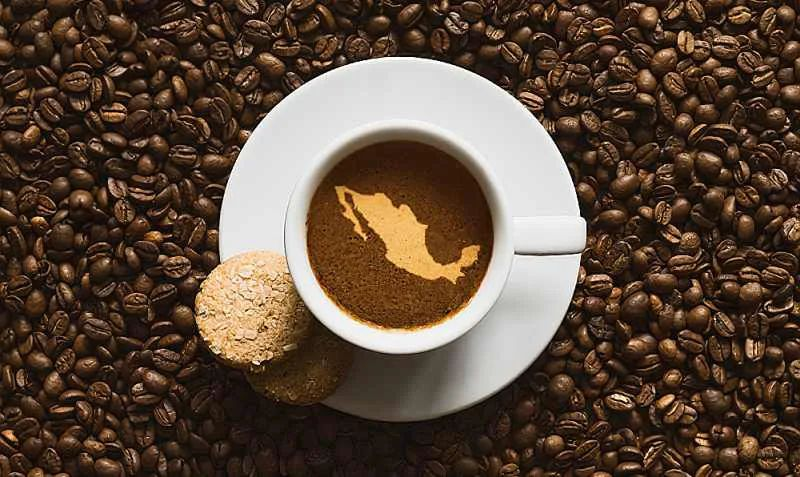
The Global Coffee Connection: Understanding Our World Supply
These ten countries—Brazil, Vietnam, Colombia, Ethiopia, Indonesia, Uganda, India, Honduras, Peru, and Mexico—collectively produce approximately 85% of the world’s coffee. Each brings unique traditions, flavors, and cultural significance to the global coffee industry.
From Brazil’s massive industrial scale to Ethiopia’s sacred ceremonies, from Vietnam’s street-side culture to Peru’s Fair Trade leadership, and from Colombia’s premium quality to Indonesia’s island diversity, these nations shape how billions of people experience coffee every single day.
Remarkable Diversity Across Production Models
What makes global coffee production fascinating is the incredible diversity of approaches. Brazil operates massive, technologically advanced plantations with millions of acres under cultivation. Meanwhile, over 90% of Ethiopian coffee still comes from small-scale farmers using traditional methods passed through generations.
Vietnam’s recent economic transformation created rapid industrial expansion, while Honduras emphasizes specialty production over commodity volume. India preserves ecological biodiversity through shade-grown farming, while Mexico celebrates indigenous agricultural traditions.
Economic Importance and Social Impact
Coffee production supports over 100 million people globally in farming, processing, exporting, and trading roles. The industry generates over $100 billion in annual global revenue, making coffee one of the world’s most economically significant commodities.
For many developing nations, coffee represents critical export revenue and foreign currency earnings. Coffee farming provides livelihoods for small-holder farmers in rural regions, supporting education, healthcare, and economic development for families across multiple continents.
Looking Forward
Climate change presents significant challenges to global coffee production, threatening traditional growing regions. However, coffee-producing nations continue innovating-developing climate-resistant varieties, improving farming techniques, and investing in sustainable practices.
The future of coffee depends on supporting farmers, preserving coffee cultures, and ensuring environmental sustainability. Understanding where your coffee originates-and the stories behind its production-deepens appreciation for every cup.
Final Thoughts: From Farm to Cup
Understanding global coffee production transforms how we experience our daily ritual. The next time you brew your morning coffee, consider the farmers, traditions, and landscapes that brought those beans from distant lands to your cup.
Whether it’s Brazil’s industrialized efficiency, Ethiopia’s spiritual ceremonies, Vietnam’s street-side culture, or Peru’s sustainable practices, each origin story enriches our coffee experience and connects us to coffee-producing communities worldwide.
Celebrate the diversity of global coffee culture. Explore different origins. Support sustainable producers. And always remember-every cup tells a story of passion, tradition, and global connection.
Discover more coffee stories, brewing guides, and origin explorations at The Coffee Shifu, where we celebrate coffee culture from around the world.
External Links for Additional Reading
- International Coffee Organization (ICO) – Global coffee market data and statistics
- World Coffee Research – Coffee origins, sustainability, and research
- National Coffee Association – Coffee regions and cultural information
- Fair Trade USA – Ethical coffee production standards
- UNESCO – Coffee Cultural Landscape – Colombia’s coffee heritage site
Follow Our Blogs https://thecoffeeshifu.com/blog/
How to Make the Perfect Orange Tonic Espresso – A Signature Coffee Shifu Creation
Discover The Coffee Shifu’s exclusive Orange Tonic Espresso recipe – a refreshing blend of citrus,…
Gulab Jamun Affagato- The Hot Viral Winter Recipe
Gulab Jamun Affogato is a dreamy fusion of Italian coffee culture and classic Indian mithai,…
Grape Tonic Espresso The New Viral?
Grape Tonic Espresso is a fizzy, fruity, layered iced coffee that combines grape juice, tonic…
Gajar Ka Halwa Affogato: The Coffee Shifu’s Exclusive Fusion Recipe
Gajar Ka Halwa Affogato fuses traditional Indian carrot halwa with classic Italian affogato, where hot…
Best Cappuccino Recipe at Home: Instant Coffee to Frothy Perfection
Homemade cappuccino delivers thick, creamy foam and rich espresso flavor using just basic kitchen tools-No tools-no…
Best Homemade Mocha Hot Chocolate (Better Than Starbucks Café Mocha)
Craving the perfect blend of rich chocolate and bold coffee? Mocha hot chocolate delivers exactly that-a luxurious,…
- 1. Brazil: The Undisputed Coffee King
- 2. Vietnam: The Robusta Powerhouse
- 3. Colombia: Premium Arabica Excellence
- 4. Ethiopia: Coffee's Sacred Birthplace
- 5. Indonesia: Earthy Complexity from Island Terroir
- 6. Uganda: Africa's Robusta Powerhouse
- 7. India: The Emerging Asian Giant
- 8. Honduras: Central America's Rising Star
- 9. Peru: Specialty Coffee Leader and Fair Trade Champion
- 10. Mexico: Quality Over Quantity