
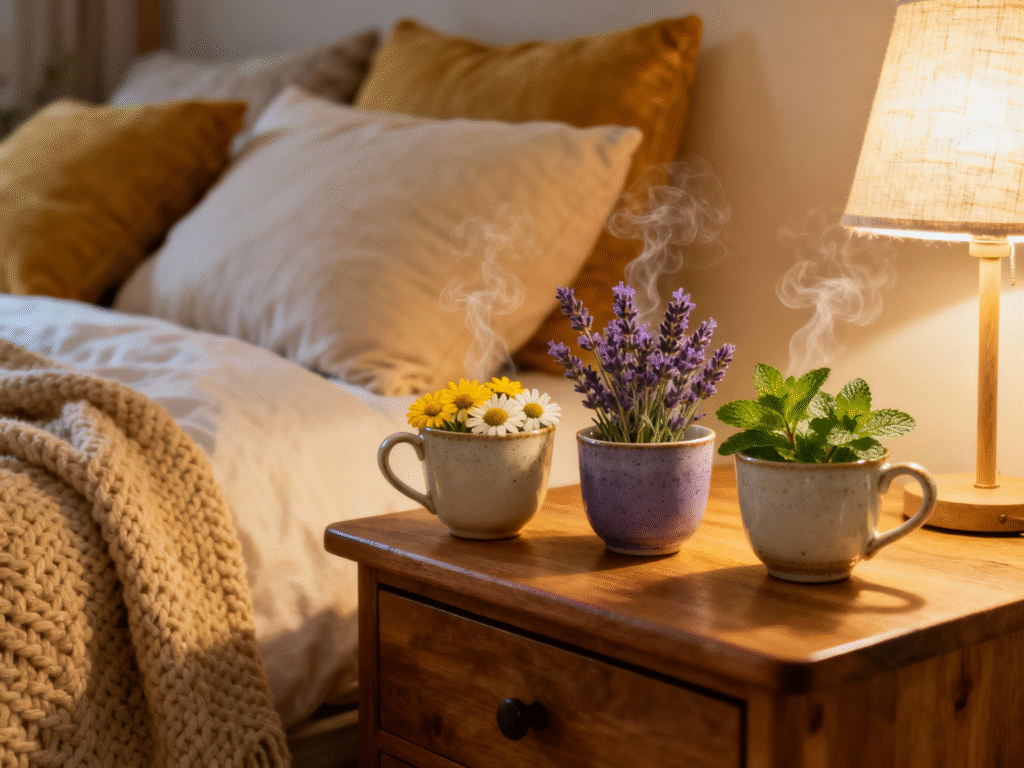
The Secret to Better Sleep Might Be in Your Cup
If you’re tossing and turning at night, struggling to switch off your racing thoughts, or waking up exhausted-you’re not alone. According to recent sleep research, millions of people worldwide battle insomnia and sleep disorders annually.
But here’s the thing: the solution might be simpler than prescription medications. Nature has gifted us with powerful herbs that have been used for centuries to promote relaxation and deep, restorative sleep. The best part? They’re readily available as a warm, comforting cup of tea.
In this comprehensive guide, we’ll explore the science-backed herbal teas that genuinely improve sleep quality, separate myths from facts, and show you exactly how to brew the perfect nighttime cup to finally get the rest you deserve.
The Science Behind Tea for Sleep: How It Works
Before diving into specific teas, let’s understand why certain herbal infusions work so effectively for sleep.
How Herbal Tea Promotes Sleep
Herbal teas don’t contain caffeine (unlike black or green tea), making them ideal for bedtime. Instead, they work through multiple mechanisms:
- Neurotransmitter Activation: Compounds in sleep-promoting herbs activate GABA (gamma-aminobutyric acid), a neurotransmitter that produces calming effects and reduces anxiety, stress, and fear responses in the brain.
- Receptor Binding: Certain herbs contain flavonoids and alkaloids that bind to benzodiazepine receptors in the brain, triggering mild sedative effects similar to tranquilizing medications-but naturally and safely.
- Cortisol Reduction: Stress hormones like cortisol can sabotage sleep quality. Scientific evidence shows that many herbal teas significantly reduce salivary cortisol levels, helping your body genuinely relax.
- Ritual & Sensory Relaxation: Beyond chemistry, the act of brewing tea creates a calming bedtime ritual. The warmth of the mug, the aroma, and the slow sipping process signal your nervous system that it’s time to wind down-this psychological component matters enormously.
7 Best Herbal Teas for Sleep & Relaxation (Ranked by Science)
1. Chamomile Tea: The #1 Sleep Tea (Most Research-Backed)
Why It Works:
Chamomile contains an antioxidant called apigenin, which binds to specific brain receptors to promote sleepiness and reduce anxiety. It’s essentially nature’s mild tranquilizer.
The Science:
- A systematic review and meta-analysis of 12 randomized controlled trials found significant improvement in sleep quality after chamomile administration.
- In clinical studies with 90 participants over 8 weeks, chamomile users slept an average of 7.81 hours compared to 6.20 hours in the control group.
- Chamomile reduced sleep onset latency (time to fall asleep) from 23.10 minutes down to just 12.52 minutes-nearly 50% faster!
- The herb also reduced nighttime wakeups from 3.20 per night to just 1.30, and users reported a sleep quality rating of 8.2 out of 10 versus 5.33 in the non-tea group.
- Bonus: Chamomile reduced daytime drowsiness and medication use among those with sleep disorders.
Brewing Tips:
- Steep 1 chamomile tea bag or 1-2 teaspoons of dried chamomile flowers
- Water temperature: 160-170°F (70-75°C)
- Steeping time: 5-7 minutes
- Best time: 30-60 minutes before bed
Taste Profile: Delicate, slightly floral, faintly apple-like
2. Valerian Root Tea: The Ancient Sleep Aid
Why It Works:
Valerian root has been used since ancient Greek and Roman times. It contains two naturally occurring sedatives: valepotriates and sesquiterpenes, which boost GABA levels in the brain.
The Science:
- Nearly 90% of people reported improvements in sleep after drinking valerian tea in clinical studies.
- Valerian significantly reduces the time it takes to fall asleep and improves overall sleep quality.
- The herb doesn’t cause morning grogginess-a major advantage over pharmaceutical sleep aids.
- Research shows it’s particularly effective when combined with other calming herbs like passionflower.
Brewing Tips:
- Steep 1 teaspoon of dried valerian root per cup
- Water temperature: Boiling (212°F/100°C)
- Steeping time: 8-10 minutes (longer than other herbal teas)
- Best time: 30-60 minutes before bed
Taste Profile: Earthy, somewhat pungent. Many people add honey or maple syrup to improve palatability.
⚠️ Note: Valerian has a distinctly earthy taste that some find unpleasant. This is completely normal and not harmful.
3. Lavender Tea: The Stress-Reliever
Why It Works:
Lavender works through aroma and active compounds that reduce cortisol (the stress hormone). The FDA labels lavender as “generally recognized as safe,” and it’s backed by significant research.
The Science:
- Studies show lavender tea significantly decreases depression, anxiety, and cortisol levels.
- Research on women with insomnia found that lavender tea significantly improved sleep quality, particularly during postpartum period.
- The calming effects happen through both the compounds in the tea and the aromatherapy benefits as you sip—a dual-action mechanism.
Brewing Tips:
- Steep 1-2 teaspoons of dried lavender or 1 lavender tea bag
- Water temperature: 160-170°F (70-75°C)
- Steeping time: 5-7 minutes
- Best time: 30-60 minutes before bed
Taste Profile: Floral, slightly sweet, with herbal notes
Pro Tip: For enhanced aromatherapy, inhale the steam for a few seconds before sipping.
4. Passionflower Tea: The Underrated Relaxant
Why It Works:
Passionflower contains flavonoids that bind to benzodiazepine receptors in the brain—the same receptors targeted by anti-anxiety medications. It’s particularly effective for those with racing thoughts.
The Science:
- Clinical research shows a single cup of passionflower tea can help you sleep better.
- When combined with valerian root, passionflower is just as effective as traditional sleeping medications for short-term insomnia relief.
- It naturally boosts GABA production and reduces restlessness.
Brewing Tips:
- Steep 1 teaspoon of dried passionflower per cup
- Water temperature: 160-170°F (70-75°C)
- Steeping time: 5-7 minutes
- Best time: 30-60 minutes before bed
Taste Profile: Mild, slightly fruity, pleasant flavor
5. Lemon Balm Tea: The Anxiety Fighter
Why It Works:
Lemon balm (Melissa officinalis) contains rosmarinic acid, which inhibits the enzyme that breaks down GABA in the brain. Higher GABA = deeper relaxation.
The Science:
- Studies show that taking lemon balm extract for 15 days resulted in noticeable reductions in stress and anxiety.
- Research reveals that individuals consuming lemon balm experience longer sleep duration, improved sleep quality, and reduced nighttime awakenings.
- The herb is particularly effective when combined with chamomile or valerian.
Brewing Tips:
- Steep 1 teaspoon of dried lemon balm leaves per cup
- Water temperature: 160-170°F (70-75°C)
- Steeping time: 5-7 minutes
- Best time: 30-60 minutes before bed
Taste Profile: Mild citrusy, minty, refreshing, and pleasant
6. Peppermint Tea: The Muscle Relaxant
Why It Works:
While not a traditional sedative, peppermint’s menthol content acts as a muscle relaxant. By reducing physical tension, you create ideal conditions for sleep. Plus, it’s naturally caffeine-free and aids digestion-common culprits of poor sleep.
The Science:
- Menthol in peppermint acts as a muscle relaxant, easing tension throughout your body.
- Studies show peppermint tea helps reduce stress, anxiety, and irritability-all sleep disruptors.
- One study found that inhaling peppermint oil improved sleep quality in cancer patients.
- Anti-inflammatory and antispasmodic properties help relieve bloating, gas, and digestive discomfort that can wake you at night.
Brewing Tips:
- Steep 1-2 teaspoons of fresh or dried peppermint leaves (or 1 tea bag)
- Water temperature: 160-170°F (70-75°C)
- Steeping time: 3-5 minutes (shorter than other herbal teas to preserve menthol)
- Best time: 30-60 minutes before bed
Taste Profile: Fresh, minty, cooling sensation, naturally sweet
Pro Tip: Great for those with digestive issues before bed.
7. Decaffeinated Green Tea: The L-Theanine Advantage
Why It Works:
While regular green tea contains caffeine (a sleep disruptor), decaffeinated green tea retains L-theanine-an amino acid that promotes relaxation without sedation.
The Science:
- L-theanine promotes alpha brain wave activity, which signals a relaxed state.
- Studies show drinking 3-4 cups of low-caffeine green tea throughout the day reduces fatigue, stress markers, and improves sleep quality.
- Green tea is rich in tea polyphenols, powerful antioxidants that reduce inflammation and oxidative stress caused by sleep deprivation.
Brewing Tips:
- Use only decaffeinated green tea-regular green tea contains too much caffeine for bedtime
- Steep 1 tea bag or 1 teaspoon of loose leaf
- Water temperature: 150-160°F (65-70°C)
- Steeping time: 2-3 minutes
- Best time: Can be consumed anytime, including 30 minutes before bed
Taste Profile: Mild, grassy, slightly sweet, neutral flavor
Pro Tip: Best consumed throughout the day rather than exclusively before bed for optimal benefits.
Tea for Sleep: Myths vs. Facts (Debunked)
❌ Myth #1: All Herbal Teas Are Safe and Caffeine-Free
The Truth: While most herbal teas are caffeine-free, some do contain caffeine-and they’re NOT good for sleep.
Caffeine-Containing “Herbal” Teas to Avoid:
- Yerba Mate: Contains almost as much caffeine as coffee (about 85mg per cup)
- Guarana Tea: High in caffeine
- Some Fruit-Infused Herbal Teas: Many blend real tea leaves (which contain caffeine) with fruit flavors
Pro Tip: Always check the label. If it says “herbal infusion,” it’s likely caffeine-free. If it says “tea” and contains actual tea plant leaves (Camellia sinensis), it probably has caffeine.
❌ Myth #2: “You Can Drink As Much Herbal Tea as You Want”
The Truth: Excessive herbal tea consumption can cause unwanted side effects.
Potential Issues from Over-Consumption:
- Upset stomach and digestive issues
- Headaches
- Paradoxically, sleep disruption
- Allergic reactions (rare but possible)
The Solution: Stick to one cup, 30-60 minutes before bed. More isn’t better.
❌ Myth #3: “Chamomile Instantly Makes You Fall Asleep”
The Truth: Chamomile is not an instant knockout-it’s a sleep facilitator, not a sedative.
The Facts:
- Science shows chamomile helps improve sleep quality, but clinical trials have been unable to prove it specifically cures insomnia or dramatically speeds up sleep onset for those with severe sleep disorders.
- It works best with consistency (daily use) and proper timing (30-60 minutes before bed).
- Think of it as a sleep facilitator that creates ideal conditions-not a sleep button.
❌ Myth #4: “English Breakfast Tea is Fine for Evening Relaxation”
The Truth: English Breakfast tea contains 30-70mg of caffeine per 8-ounce cup-enough to disrupt sleep for many people.
The Breakdown:
- English Breakfast tea is a blend of black teas (Assam, Ceylon, Kenyan)
- Black tea is highly caffeinated
- Drinking it after 2-3 PM can interfere with sleep, especially if you’re caffeine-sensitive
The Bottom Line: Save English Breakfast for morning or early afternoon only. Switch to caffeine-free herbal teas in the evening.
❌ Myth #5: “Tea Works Equally Well Whether You Drink It Hot or Cold”
The Truth: Temperature matters for sleep preparation.
Why Warm Tea Is Superior:
- The warmth of the beverage slightly raises your body temperature
- This triggers a natural cooling process-a physiological signal to your body that it’s time to rest
- The ritual of holding a warm mug and slow sipping creates psychological relaxation
- Hot tea keeps you engaged in a calming ritual longer than cold tea
The Best Time to Drink Tea for Sleep (The Complete Timeline)
Optimal Timing: 30-60 Minutes Before Bedtime
Why this window works:
- Allows your body enough time to absorb the beneficial compounds
- Gives you time to use the bathroom before sleep (preventing middle-of-the-night trips)
- Balances relaxation onset with avoiding excessive fluid intake
If You Have Bladder Sensitivity:
Drink your tea 90 minutes before bed to ensure compounds take effect while minimizing nighttime bathroom visits.
For Severe Insomnia:
Start your tea ritual immediately after dinner, then enjoy a second smaller cup closer to bedtime to reinforce the relaxation response.
⚠️ When NOT to Drink Herbal Tea:
- Not right before bed (too much liquid)
- Not mixed with caffeine (defeats the purpose)
- Not when you’re heavily stressed without other relaxation techniques (tea alone won’t overcome acute anxiety)
How to Brew the Perfect Sleep Tea (Step-by-Step Guide)
The Proper Brewing Method:
- Boil Fresh Water: Use filtered or spring water for best results
- Use the Right Temperature:
- Chamomile, Lavender, Lemon Balm, Passionflower: 160-170°F (70-75°C)
- Valerian Root: 212°F (100°C)
- Peppermint: 160-170°F (70-75°C)
- Decaffeinated Green Tea: 150-160°F (65-70°C)
- Add Your Tea:
- 1 tea bag, or
- 1-2 teaspoons of loose leaf (depending on strength preference)
- Steep for the Correct Duration:
- Chamomile, Lavender, Lemon Balm, Passionflower: 5-7 minutes
- Valerian Root: 8-10 minutes
- Peppermint: 3-5 minutes (shorter to preserve menthol)
- Enhance (Optional):
- Add honey or maple syrup (no refined sugar-can spike energy)
- Add a splash of milk (creates a soothing ritual)
- Squeeze of lemon
- Cinnamon stick
- One clove
- Sip Mindfully: Take 20-30 minutes to enjoy your cup, focusing on the aroma and taste.
Powerful Tea Combinations for Sleep (Synergistic Blends)
Blend #1: “The Relaxation Trio”
- Chamomile + Lavender + Passionflower
- Effect: Maximum anxiety reduction + gentle sleep promotion
- Best For: Racing thoughts, anxiety-driven insomnia
Blend #2: “The Deep Sleep Blend”
- Chamomile + Valerian Root + Lemon Balm
- Effect: Deep relaxation + faster sleep onset
- Best For: General insomnia, need for deeper sleep
Blend #3: “The Digestion & Sleep Blend”
- Peppermint + Chamomile + Lemon Balm
- Effect: Relaxation + digestive comfort
- Best For: Bloating, IBS, digestive discomfort disrupting sleep
Blend #4: “The Stress-Buster”
- Lavender + Lemon Balm + Chamomile
- Effect: Stress hormone reduction + cortisol management
- Best For: High-stress days, cortisol-induced insomnia
Scientific Evidence: What Research Really Says
Key Studies & Findings:
Study #1: Pittsburgh Sleep Quality Index Trial (2025)
- Participants: 90 adults (25-45 years old) with primary insomnia
- Duration: 8 weeks
- Results:
- Chamomile group: 7.81 hours sleep vs. Control: 6.20 hours
- Sleep onset latency: Reduced by 50% (23.10 min → 12.52 min)
- Nighttime wakeups: Reduced from 3.20 to 1.30
- Sleep quality rating: 8.2/10 vs. 5.33/10
- Conclusion: Chamomile outperformed all alternatives
Study #2: Systematic Review and Meta-Analysis (12 RCTs)
- Finding: “Significant improvement in sleep quality after chamomile administration”
- Safety Profile: Mild adverse events only, excellent safety profile
Study #3: Green Tea & Sleep Quality Research (2025)
- Finding: Individuals consuming green tea (especially long-term, 30+ years) exhibited better sleep quality
- Mechanism: L-theanine counteracts caffeine’s negative effects
Study #4: Valerian Root Effectiveness
- Finding: 90% of participants reported sleep improvements
- Key Advantage: No morning grogginess (unlike pharmaceutical sleep aids)
Potential Side Effects & Safety Considerations
Generally Safe Profile:
Most herbal sleep teas have an excellent safety record with minimal side effects. However, awareness is important:
Possible Side Effects:
- Chamomile: Rare allergic reactions (if allergic to ragweed family plants)
- Valerian: Headaches, dizziness, or vivid dreams (rare)
- Lavender: Generally very safe; occasional skin irritation if applied topically
- Passionflower: Dizziness or drowsiness (desired effects at night)
- Peppermint: Generally safe; may worsen GERD if consumed in large quantities
- Lemon Balm: Usually very safe; occasional mild allergic reactions
Who Should Consult a Doctor First:
- Pregnant or nursing women
- People on prescription sleep medications (potential interactions)
- Those with liver or kidney disease
- Individuals with known allergies to plant families
- People taking blood thinners (valerian specifically)
Bonus: Building Your Perfect Sleep Ritual
Creating a consistent bedtime ritual is just as important as the tea itself. Here’s a science-backed routine:
90 Minutes Before Bed:
- Reduce screen time (blue light suppresses melatonin)
- Dim the lights
- Close electronic devices
60 Minutes Before Bed:
- Brew your sleep tea
- Create a relaxing environment (soft music, candles optional)
- Begin mindful sipping
30 Minutes Before Bed:
- Finish your tea
- Practice gentle stretching or yoga
- Prepare your sleep environment (cool, dark, quiet room)
Benefits of This Ritual:
- Signals your body that sleep is approaching
- Allows time for the tea’s compounds to take effect
- Supports your natural circadian rhythm
- Reduces anxiety about sleep onset
Your best sleep is waiting. Brew a cup, take a deep breath, and begin your journey to better nights and brighter mornings.
Follow our blogs https://thecoffeeshifu.com/blog/
How to Make the Perfect Orange Tonic Espresso – A Signature Coffee Shifu Creation
Discover The Coffee Shifu’s exclusive Orange Tonic Espresso recipe – a refreshing blend of citrus,…
Gulab Jamun Affagato- The Hot Viral Winter Recipe
Gulab Jamun Affogato is a dreamy fusion of Italian coffee culture and classic Indian mithai,…
Grape Tonic Espresso The New Viral?
Grape Tonic Espresso is a fizzy, fruity, layered iced coffee that combines grape juice, tonic…
Gajar Ka Halwa Affogato: The Coffee Shifu’s Exclusive Fusion Recipe
Gajar Ka Halwa Affogato fuses traditional Indian carrot halwa with classic Italian affogato, where hot…
Best Cappuccino Recipe at Home: Instant Coffee to Frothy Perfection
Homemade cappuccino delivers thick, creamy foam and rich espresso flavor using just basic kitchen tools-No tools-no…
Best Homemade Mocha Hot Chocolate (Better Than Starbucks Café Mocha)
Craving the perfect blend of rich chocolate and bold coffee? Mocha hot chocolate delivers exactly that-a luxurious,…