
Your kidneys work tirelessly every single second of the day, filtering out toxins and maintaining your body’s fluid balance. These vital organs process roughly 120-150 quarts of blood daily to produce approximately 1-2 quarts of urine. Yet, most of us give little thought to what we’re drinking and how it affects these hardworking powerhouses.
A Michigan-based urologist recently highlighted four popular beverages that silently damage your kidneys with every sip. The shocking part? Many of these drinks are consumed daily without a second thought. Understanding which beverages harm your kidney health is the first step toward protecting yourself from chronic kidney disease, kidney stones, and long-term organ damage.
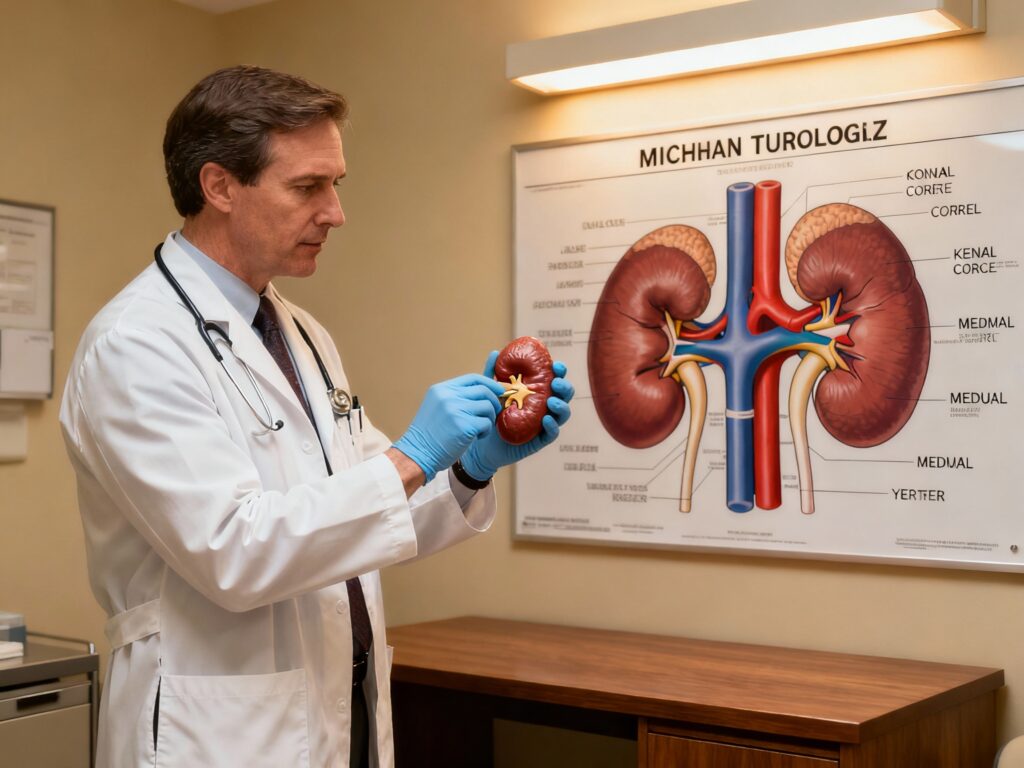
Professional urologist discussing kidney health and beverage impacts
1. Dark Sodas: The Phosphoric Acid Problem
Why Sodas Are Kidney Enemies
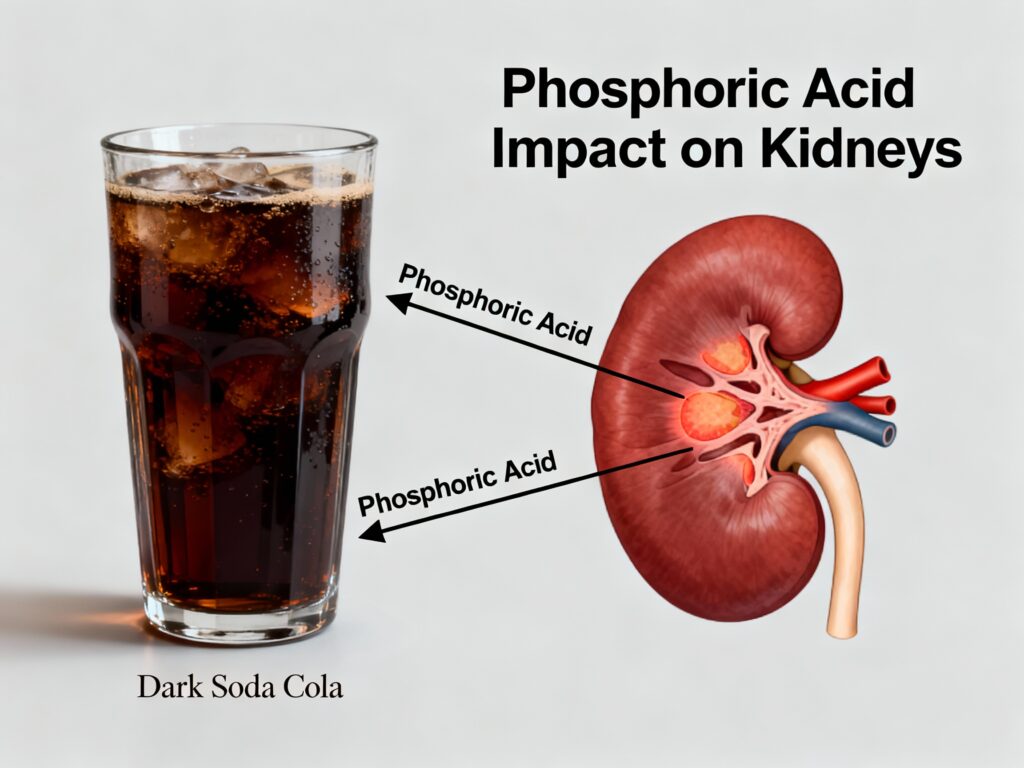
Dark cola and soft drinks top the list of kidney offenders. These seemingly innocent fizzy drinks pack a dangerous punch with their primary culprit: phosphoric acid. This chemical is added for preservation and taste, but it comes at a significant cost to your kidney health.
Studies have found that drinking two or more servings of cola per day is associated with a higher kidney disease risk. The damage occurs because phosphoric acid creates an acidic environment in your kidney tract, making it easier for kidney stones to form.
The Full Damage Profile:
Beyond phosphoric acid, dark sodas contain alarming levels of sugar and artificial sweeteners. A single can of soda can contain up to 39 grams of sugar—exceeding the entire daily recommended intake for adults. This excessive sugar leads to:
- Obesity – increasing overall kidney stress
- Hypertension (high blood pressure) – a leading cause of kidney disease
- Diabetes – one of the top two risk factors for chronic kidney disease
When your body struggles with obesity, high blood pressure, and diabetes, your kidneys must work overtime, accelerating kidney damage over time.
The Bottom Line: People who regularly drink soda face a 33% greater risk of developing kidney diseases.
Kidney-Friendly Alternative: Instead of dark cola, opt for sparkling water with a squeeze of lemon or lime. You get the satisfying fizz without the phosphoric acid, artificial sweeteners, and high sugar content. This choice keeps your kidneys happy while still giving you that refreshing sensation you crave.
Soda and cola drinks with kidney damage warning
2. Excessive Coffee: When Your Energy Boost Becomes a Kidney Drain
The Caffeine Dehydration Cycle
Reaching for coffee to combat fatigue is a morning ritual for millions worldwide. But here’s where it gets tricky: high caffeine levels actually dehydrate your kidneys. When your kidneys become dehydrated, they must work significantly harder to filter waste, creating unnecessary stress on these delicate organs.
How Caffeine Harms Your Kidneys:
The damage isn’t just from dehydration. High caffeine consumption leads to:
- Elevated blood pressure – forcing your kidneys to work harder against increased pressure
- Kidney overwork – dehydration means less fluid to dilute waste products, concentrating toxins
- Long-term kidney damage – repeated stress accumulates over months and years
Additionally, many coffee drinks (especially from cafés) contain added sugars, artificial creamers, and chemical additives that further strain kidney function.
Important Distinction: While some research suggests coffee can have protective effects on kidneys in moderation, the National Kidney Foundation confirms that up to 3 cups of high-quality, mold-free coffee daily is acceptable for kidney disease management. The key is moderation and choosing quality beans.
Healthier Coffee Habits:
Rather than eliminating coffee entirely, practice smart consumption:
- Limit intake to 2-3 cups daily of high-quality, mold-free coffee
- Stay hydrated – for every cup of coffee, drink an extra glass of water
- Skip sugary additions – avoid excessive creamers, syrups, and sweeteners that add phosphorus and potassium
Better Energy Alternatives: The Michigan urologist’s personal favorite hack? “Movement outside in sunshine”. If coffee isn’t your solution, consider green tea, which offers gentle energy without excessive caffeine, or simply increase your water intake and get morning sunlight exposure.
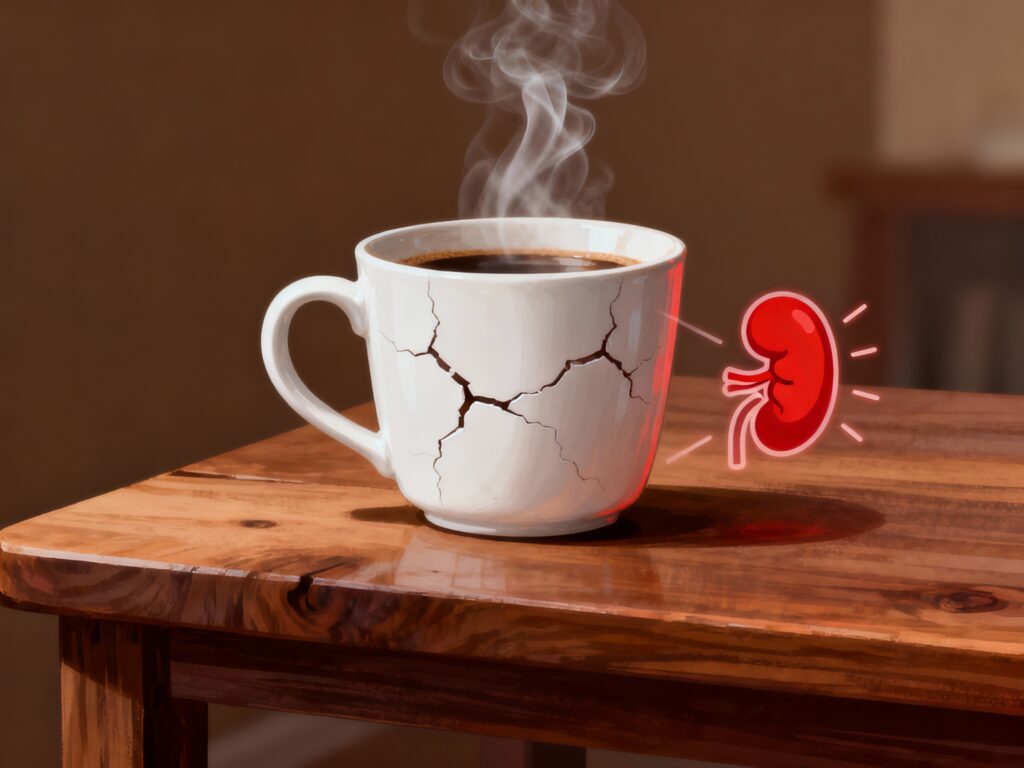
Excessive coffee consumption and its impact on kidney function
3. Sports Drinks and Energy Drinks: The Ultra-Processed Kidney Crusher
Why Sports Drinks Aren’t as “Healthy” as Marketing Claims
After an intense workout, you might feel compelled to reach for a colorful sports drink to replenish electrolytes. Unfortunately, these beverages are loaded with ingredients that absolutely wreck kidney health.
The Hidden Dangers in Sports Drinks:
Artificial Food Dyes: These brightly colored drinks contain synthetic food dyes-the very chemicals you find in markers and paint. Once ingested, your kidneys must filter out these artificial colorants, adding unnecessary burden to already-stressed organs.
High Sugar Content: A typical sports drink contains 20-30 grams of sugar per serving. This causes:
- Blood sugar spikes that stress kidney function
- Increased risk of diabetes
- Weight gain and obesity
- Hypertension
Excess Sodium and Phosphorus: Sports drinks often contain elevated levels of these minerals, which are dangerous for anyone with existing kidney concerns. High phosphorus intake is particularly problematic because it interferes with calcium balance and can accelerate kidney disease progression.
Energy drinks present an even worse scenario. They’re classified as ultra-processed foods (UPF) with minimal nutritional value but maximum harm. Research has linked high intake of ultra-processed foods to an increased risk of kidney disease. Energy drinks combine excessive caffeine (leading to dehydration), artificial sweeteners, phosphorus additives, and sodium-a perfect storm for kidney damage.
Kidney-Friendly Alternative: After exercise, your best choice is simply water. This might seem boring, but it’s the most effective way to rehydrate. If you need electrolyte replacement, consult a kidney dietitian for personalized recommendations. For mild activity, plain water suffices perfectly.
4. High-Sugar Drinks and Smoothies: The Deceptive Kidney Offenders
The Sweet Trap: Lemonade and Sugary Teas
While lemonade and sweet iced tea might feel refreshing, they’re essentially liquid sugar. A 2024 study found that drinking more than one serving of sugar-sweetened beverages per day was linked to an increased risk of developing kidney disease.
The mechanism is straightforward: high sugar consumption leads to obesity, diabetes, and hypertension-the exact conditions that damage kidneys most severely.
Smoothies: Healthy or Harmful?
Here’s where the Michigan urologist made a surprising addition to his list-smoothies. Yes, those green smoothies you grab before work might be harming your kidneys.
The culprit? Oxalates in leafy greens. While spinach, kale, and other leafy greens are nutritious, consuming them in large quantities—as happens in smoothies—packs in excessive oxalates. High oxalate intake significantly increases kidney stone risk. A single large smoothie might contain more leafy greens than you’d typically eat in an entire meal, concentrating oxalates to dangerous levels.
Smart Smoothie Habits:
If you love smoothies, modify your approach:
- Limit leafy greens – use smaller portions of spinach or kale
- Avoid smoothie stacks – don’t pack in multiple handfuls of greens
- Choose kidney-friendly fruits – berries, apples, and pears (in moderation) are better choices
- Skip high-sugar additions – avoid honey, sweetened yogurt, and fruit juices
Kidney-Friendly Alternative: Choose unsweetened fruit juices in moderation or mix small amounts of juice with water. Herbal teas without added sugar provide flavor and hydration without the kidney stress.
What Should You Drink Instead? The Kidney-Clean Hydration Guide
The ultimate solution for kidney health is surprisingly simple: clean, filtered water. This is your kidneys’ best friend because:
- Water doesn’t strain your kidneys with excess minerals or chemicals
- Proper hydration allows your kidneys to dilute waste efficiently
- Water supports optimal kidney function without additives
For variety without kidney damage, consider:
- Infused water with cucumber, lemon, or berries
- Herbal teas (unsweetened) like chamomile or peppermint
- Green tea in moderation – offers antioxidants without excessive caffeine
- Coconut water occasionally – provides natural electrolytes
- Fresh vegetable juices in small amounts – beet juice or celery juice
The Bottom Line: Know Your Kidneys, Know Your Drinks
Your kidneys filter 120-150 quarts of blood daily to keep you healthy. Every drink you consume either supports or stresses this vital process. By avoiding the four kidney-damaging beverages outlined by the Michigan urologist-dark sodas, excessive coffee, sports drinks, and sugary smoothies-you take a significant step toward protecting yourself from kidney disease, kidney stones, and long-term kidney damage.
The choice is yours: Will you continue sipping drinks that harm your kidneys, or will you switch to kidney-friendly alternatives that actually support your health? Your future self—with healthy, functioning kidneys-will thank you for making the right choice today.
How to Make the Perfect Orange Tonic Espresso – A Signature Coffee Shifu Creation
Discover The Coffee Shifu’s exclusive Orange Tonic Espresso recipe – a refreshing blend of citrus,…
Gulab Jamun Affagato- The Hot Viral Winter Recipe
Gulab Jamun Affogato is a dreamy fusion of Italian coffee culture and classic Indian mithai,…
Grape Tonic Espresso The New Viral?
Grape Tonic Espresso is a fizzy, fruity, layered iced coffee that combines grape juice, tonic…
Gajar Ka Halwa Affogato: The Coffee Shifu’s Exclusive Fusion Recipe
Gajar Ka Halwa Affogato fuses traditional Indian carrot halwa with classic Italian affogato, where hot…
Best Cappuccino Recipe at Home: Instant Coffee to Frothy Perfection
Homemade cappuccino delivers thick, creamy foam and rich espresso flavor using just basic kitchen tools-No tools-no…
Best Homemade Mocha Hot Chocolate (Better Than Starbucks Café Mocha)
Craving the perfect blend of rich chocolate and bold coffee? Mocha hot chocolate delivers exactly that-a luxurious,…
- 1. Dark Sodas: The Phosphoric Acid Problem
- 2. Excessive Coffee: When Your Energy Boost Becomes a Kidney Drain
- 3. Sports Drinks and Energy Drinks: The Ultra-Processed Kidney Crusher
- 4. High-Sugar Drinks and Smoothies: The Deceptive Kidney Offenders
- What Should You Drink Instead? The Kidney-Clean Hydration Guide
- The Bottom Line: Know Your Kidneys, Know Your Drinks